
Discover Kyoto through its neighbourhoods and experiences
Kyoto brings together temple gardens, wooden streets, food traditions and the legacy of an imperial capital. Founded in 794, it remained Japan’s imperial capital until the middle of the nineteenth century. A visit becomes easier to shape when cultural experiences and city districts are considered together: a tea session occupies a different part of the day from a long sightseeing circuit or an evening walk.
Start with one main interest. Choose a guided introduction for an overview, matcha for a focused cultural session, or Nishiki for food. The city sits in a basin surrounded by mountains; the wider prefecture also includes places with a different landscape and climate. Use this guide to choose the kind of day you want before adding more stops.
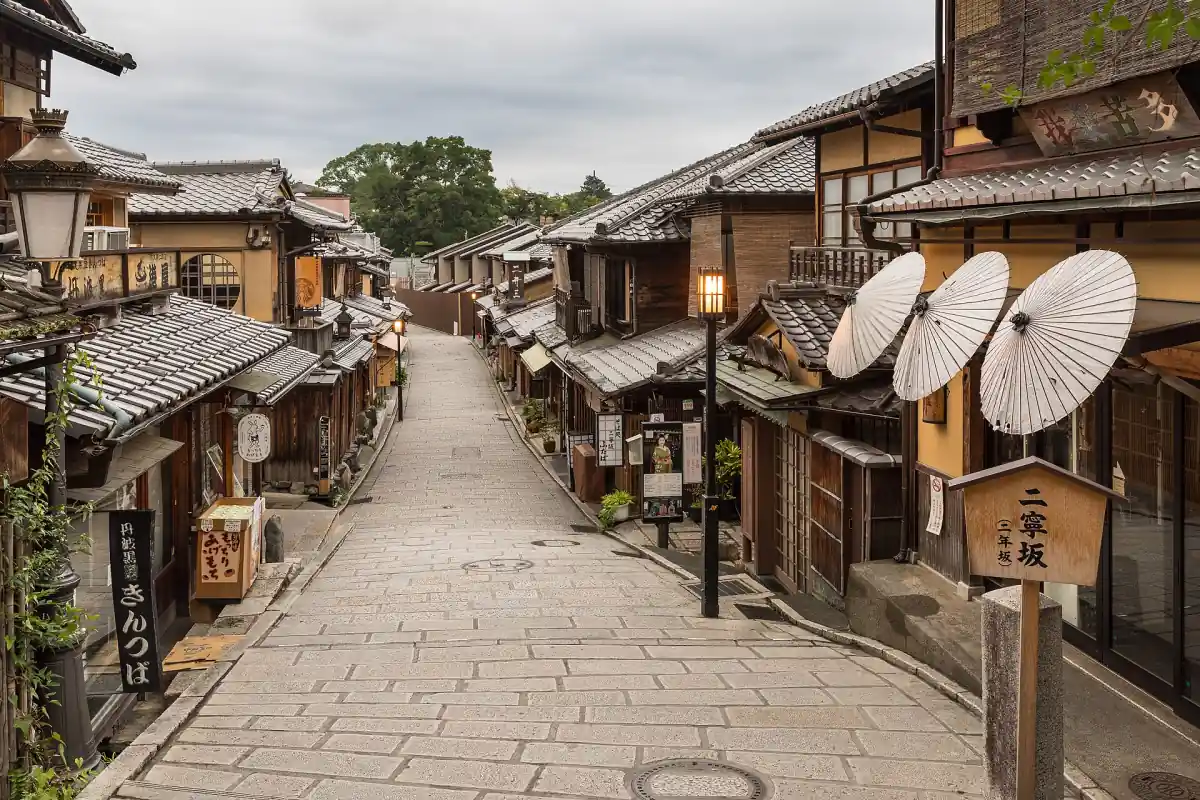
Kyoto experiences
Choose the tea ceremony for kimono and sweets, or the food walk for local tastings.
Hand-picked tours, booked through GetYourGuide and Viator. Prices are indicative starting prices in US dollars (as of October 2026). Tap a tour for live availability and the current price in your currency.
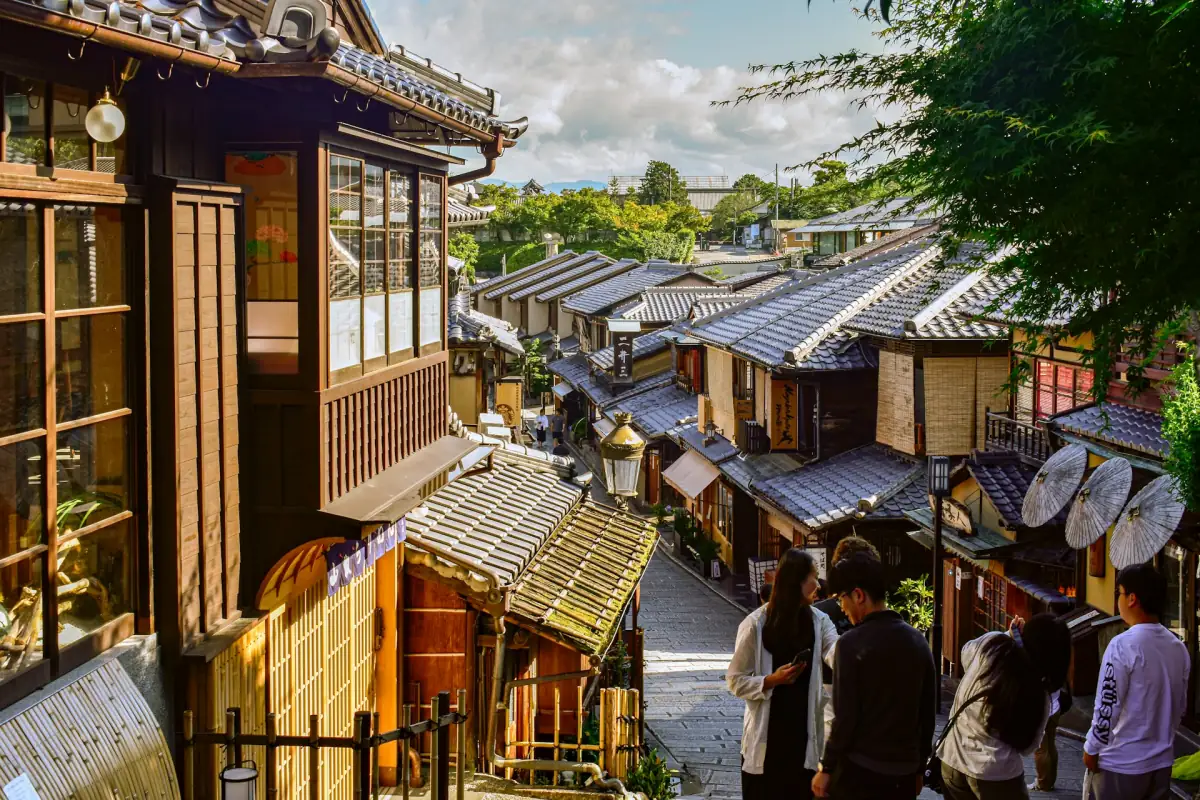
Kyoto temples by coach
- Admission for Tenryuji Temple
- Admission for Sanjusangendo Temple
- A Professional English Speaking Tour Guide
Buffet lunch is included only if selected.
Check availability →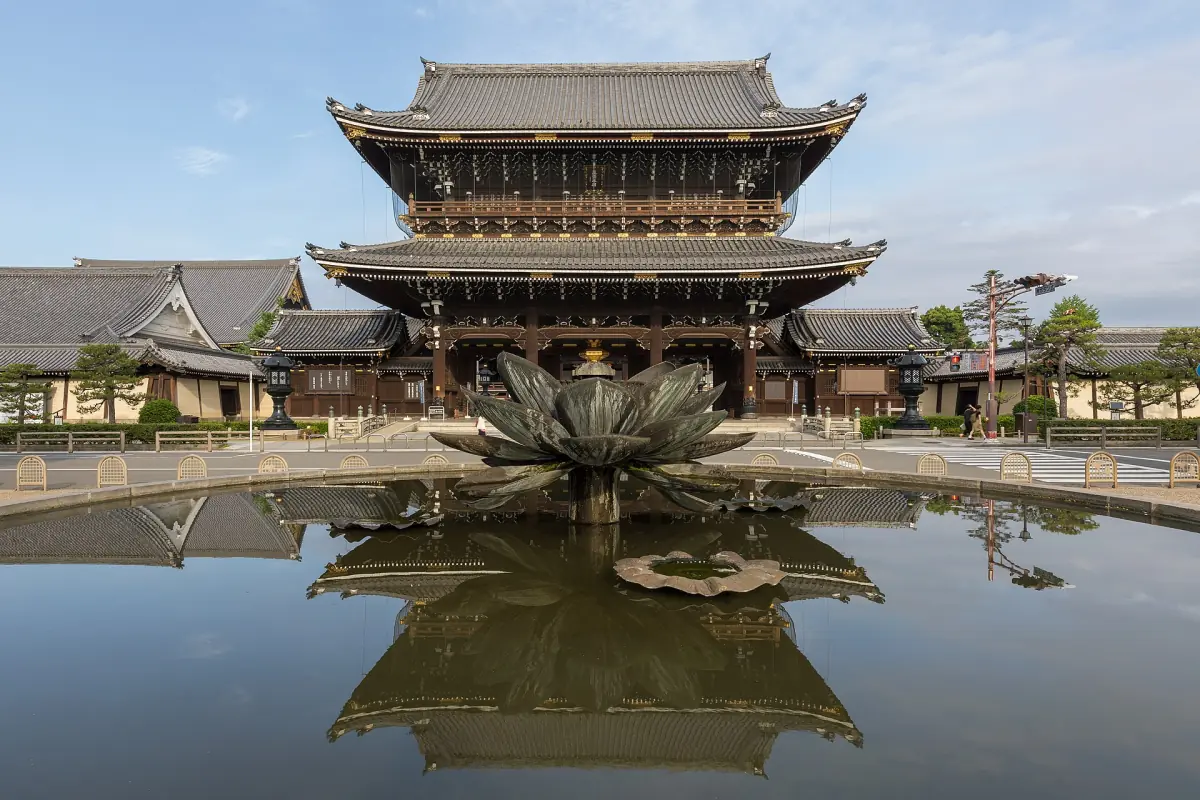
Guided Kyoto sightseeing
- English-speaking guide
- Sightseeing tour
Kinkaku-ji admission costs extra.
Check availability →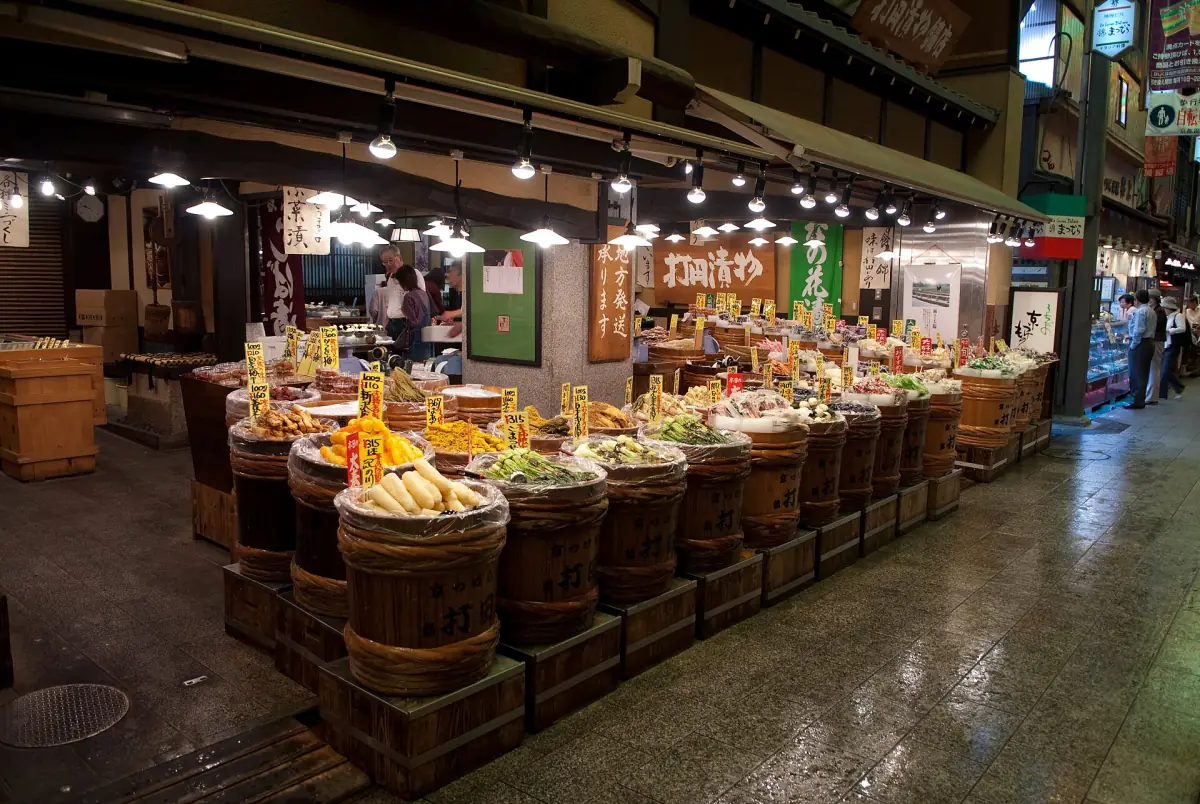
Guided Kyoto tasting walk
- 7 kinds of tastings
- Brunch at restaurant
- Photos during the tour
Explore local food on a guided walk.
Check availability →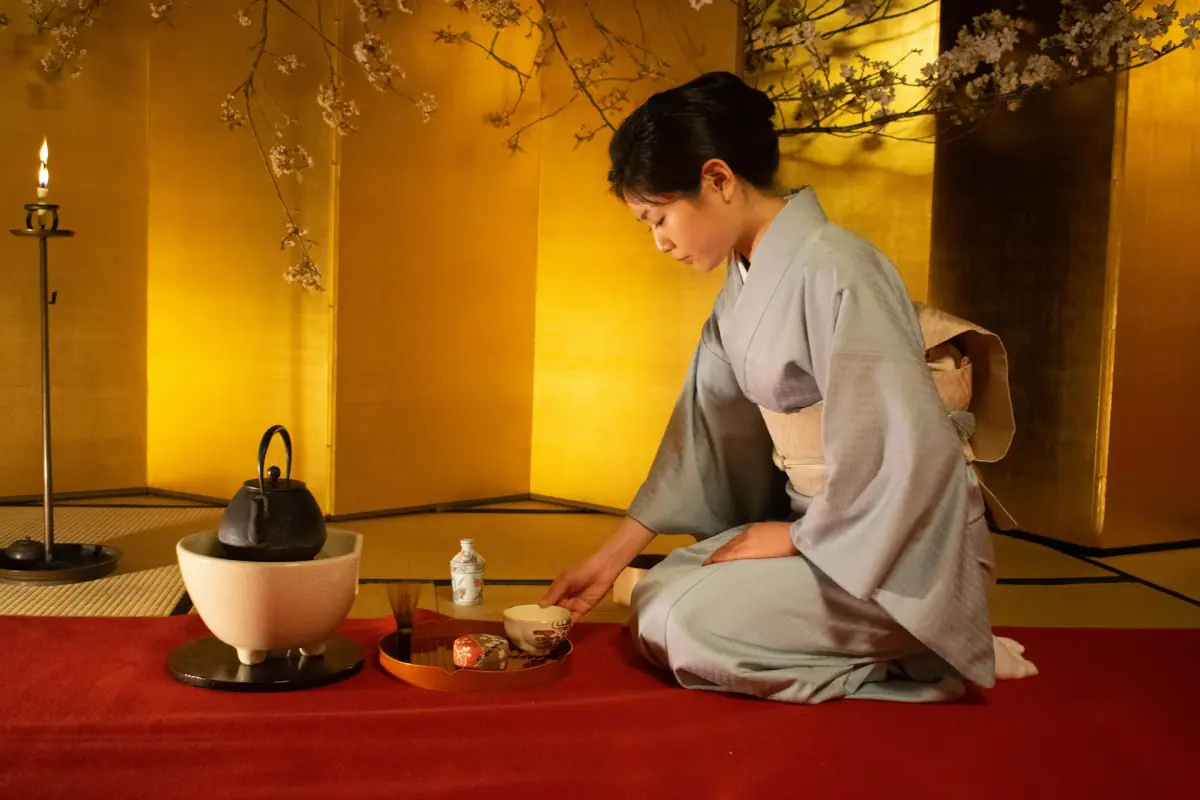
Matcha and sweets in kimono
- Kimono Set Rental
- Matcha tea and Seasonal Wagashi
- Guidance on Tea Ceremony Etiquette
Kimono photo time takes place inside the tea rooms.
Check availability →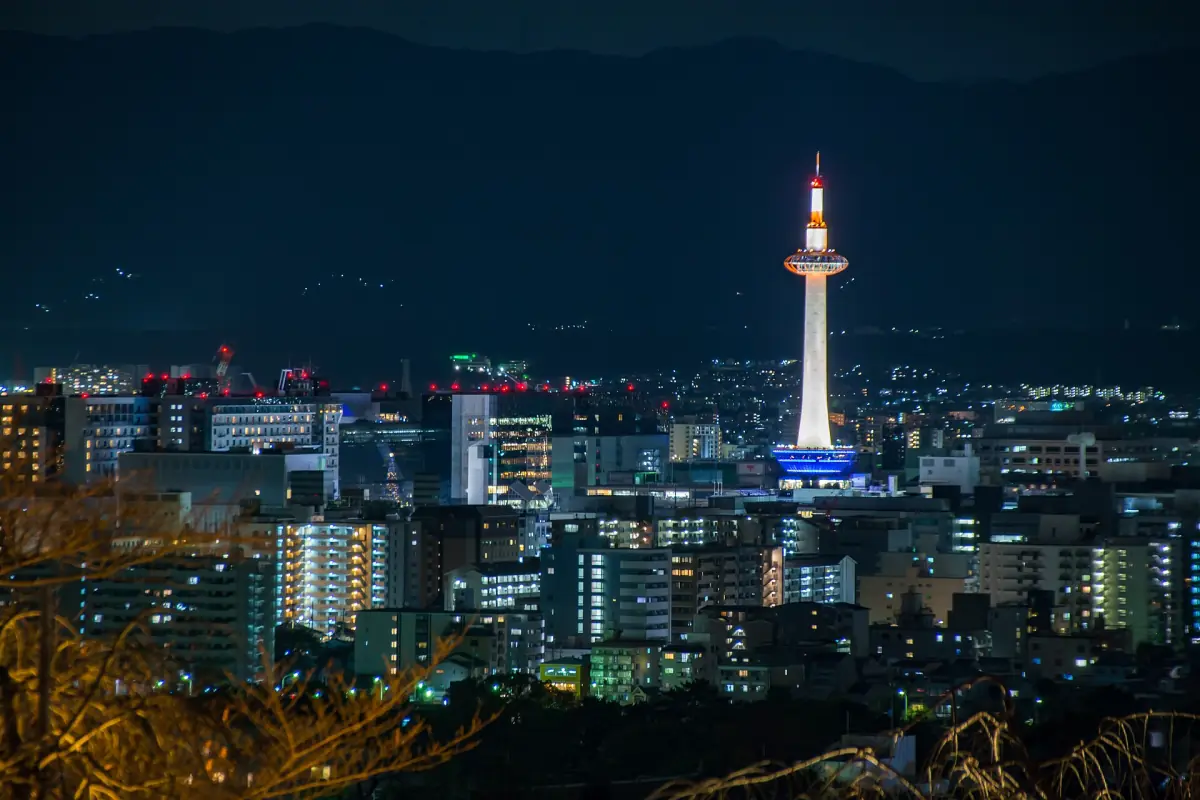
Sumo demonstrations and matches
- Sumo demonstration by real wrestlers
- Meet and greet with wrestlers
- Photo opportunities with wrestlers
Only selected guests can challenge a wrestler.
Check availability →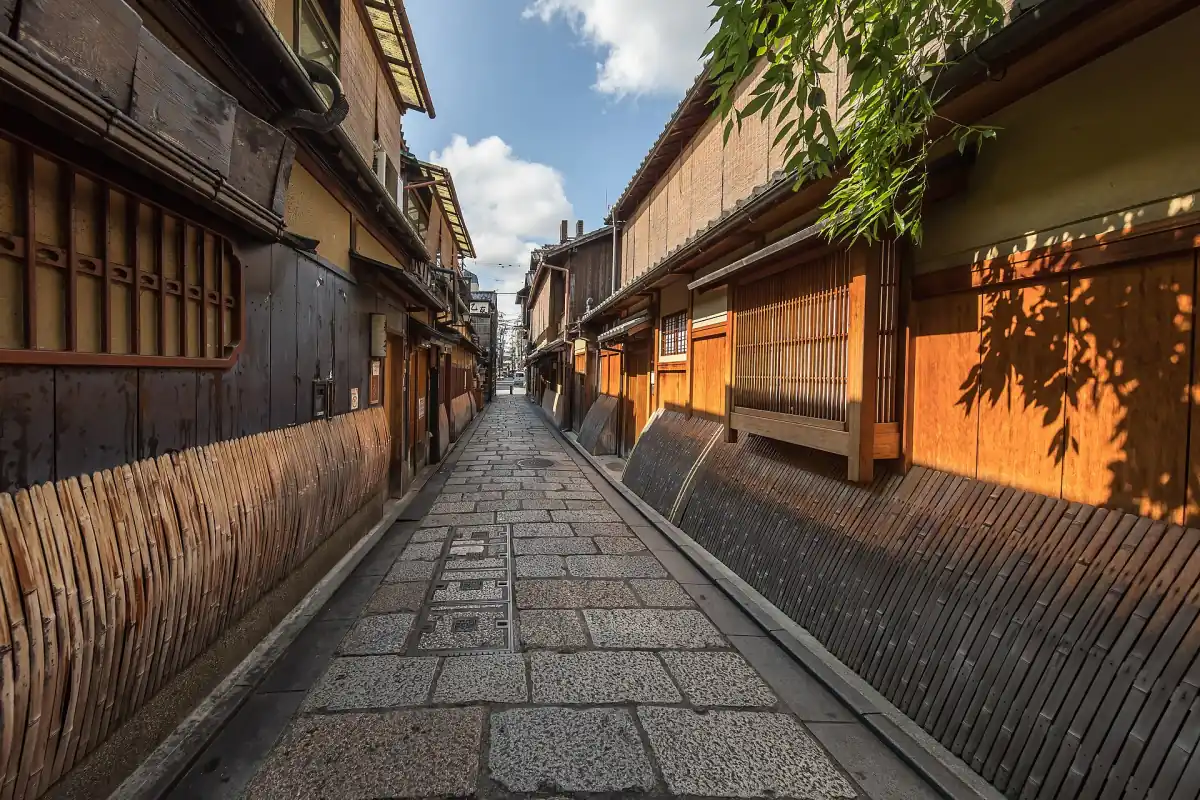
Guided Kyoto photography walk
- Guide
- Photography service
Walk with a guide and receive a photography service.
Check availability →Tea, city routes and cultural experiences in Kyoto
A kimono and matcha session, an evening cultural walk, sumo, early sightseeing, a bus circuit and a Nishiki brunch offer different ways into the city.
Choose between a short experience and a sightseeing day
The kimono and matcha session lasts 1.5 hours and includes tea etiquette, seasonal wagashi, an instructor and photo time inside traditional tea rooms. Wearing the kimono outside afterwards is excluded. This is a contained cultural appointment, useful when another part of the day is reserved for independent exploration.
A sumo programme combines a demonstration, live matches and photos with wrestlers. Participation in a challenge is for selected guests. For food, the three-hour Nishiki brunch walk includes seven kinds of tastings, a restaurant brunch and a local guide; additional food and drinks cost extra. Eat purchases at the relevant shop rather than while walking through the market.
For a broader introduction, the early six-hour sightseeing route has an English-speaking guide, with personal transport costs and Kinkaku-ji admission extra. The eight- to nine-hour bus circuit departs from and returns to Kyoto Station, includes a guide and specified temple admissions, and adds buffet lunch only with the selected option. These formats serve different plans: the long circuit takes most of a day, while a short cultural appointment leaves room for a separate walk.
Choose your Kyoto topic
Kyoto tours
Compare walks, cultural sessions and excursions by what they include.
Things to do
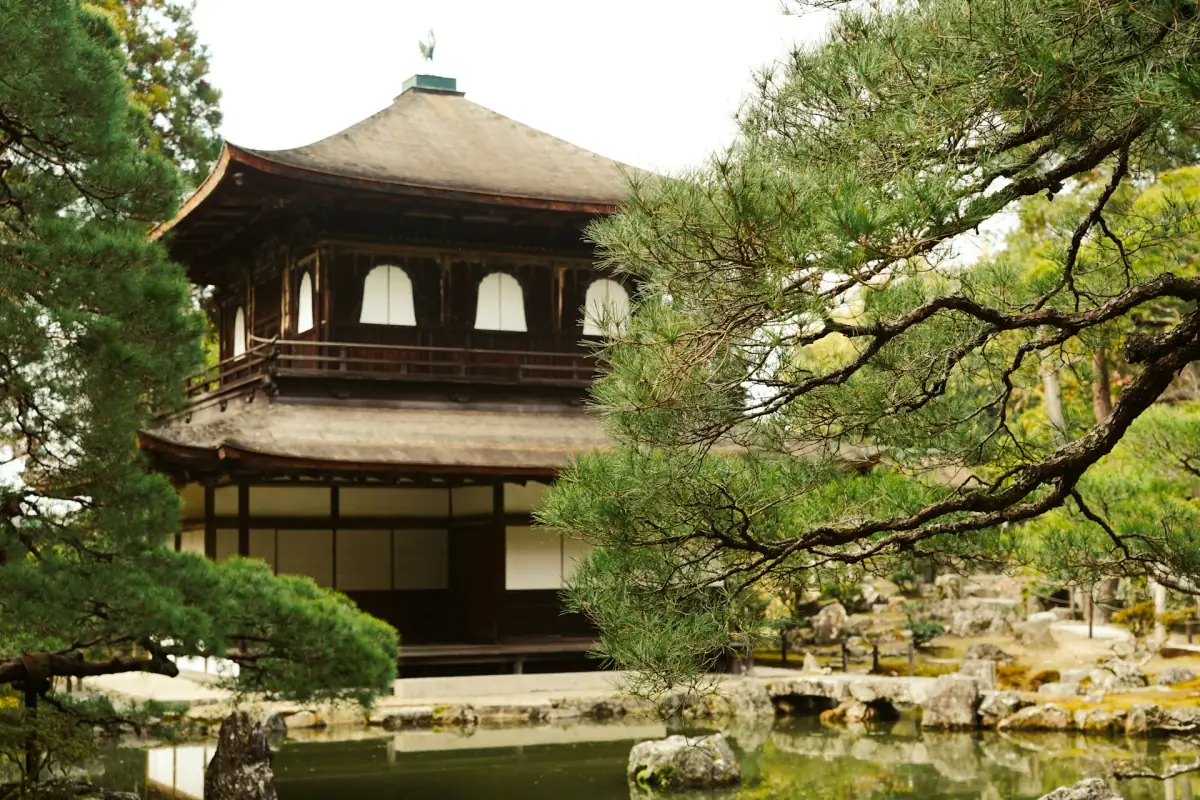
Choose temples, gardens and market visits by area.
Private tours
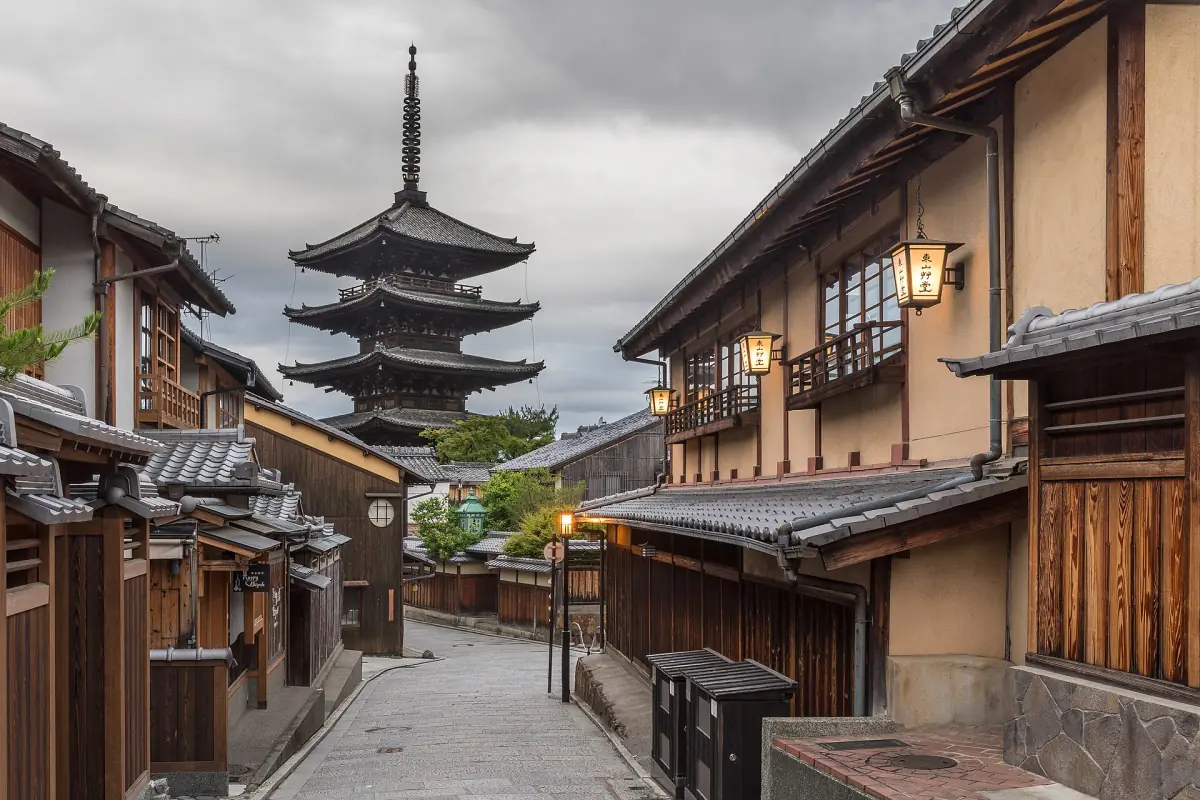
Compare a historical walk, hotel pickup and a flexible full day.
Kyoto history
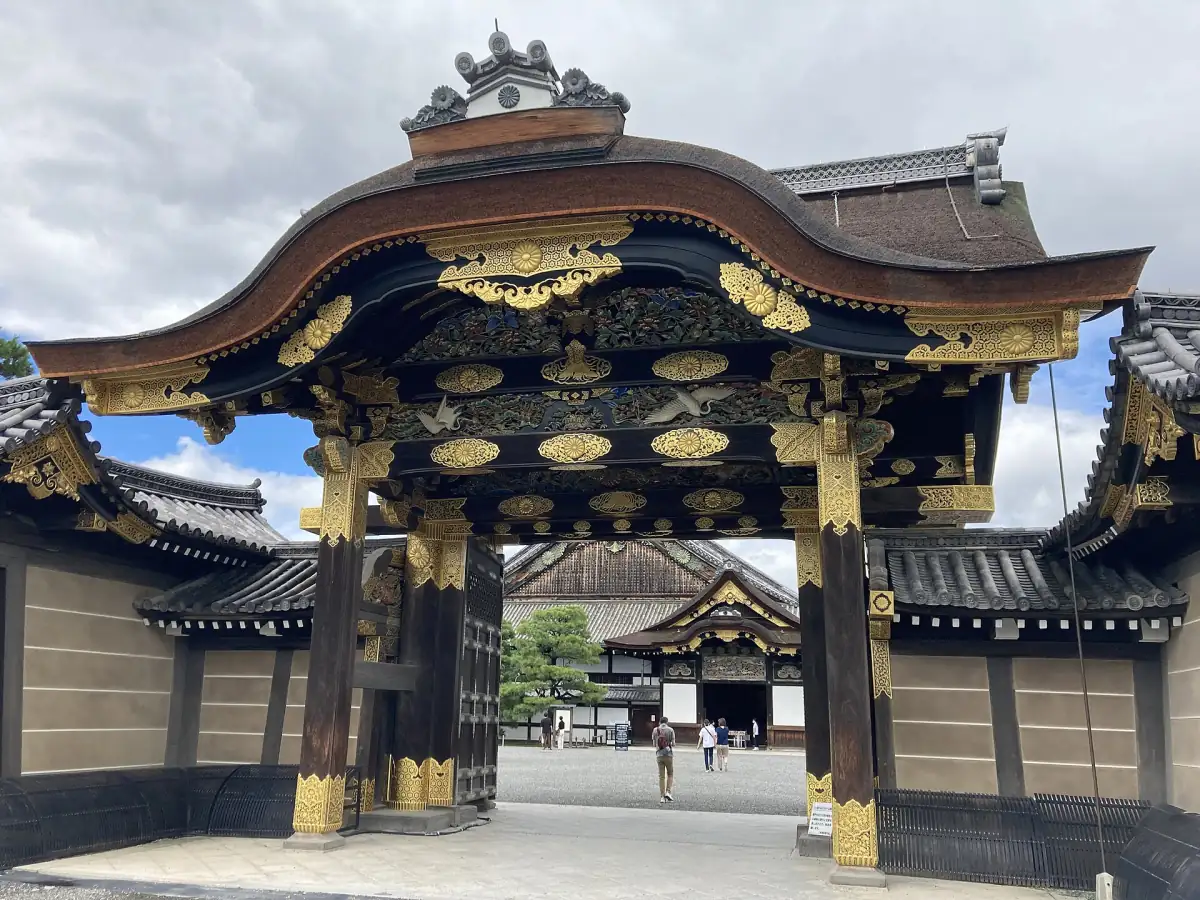
Understand the former capital, architecture and historic routes.
Walking tours
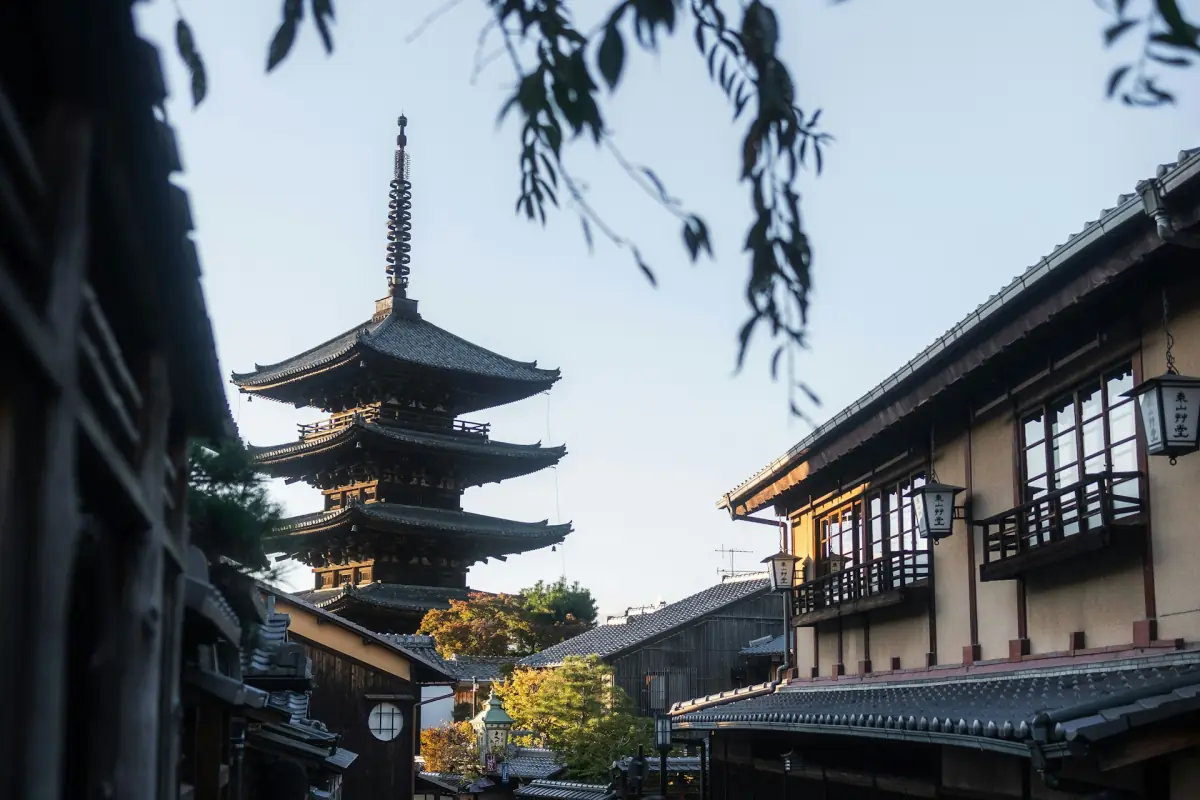
Choose a guided route on foot and understand the meeting points.
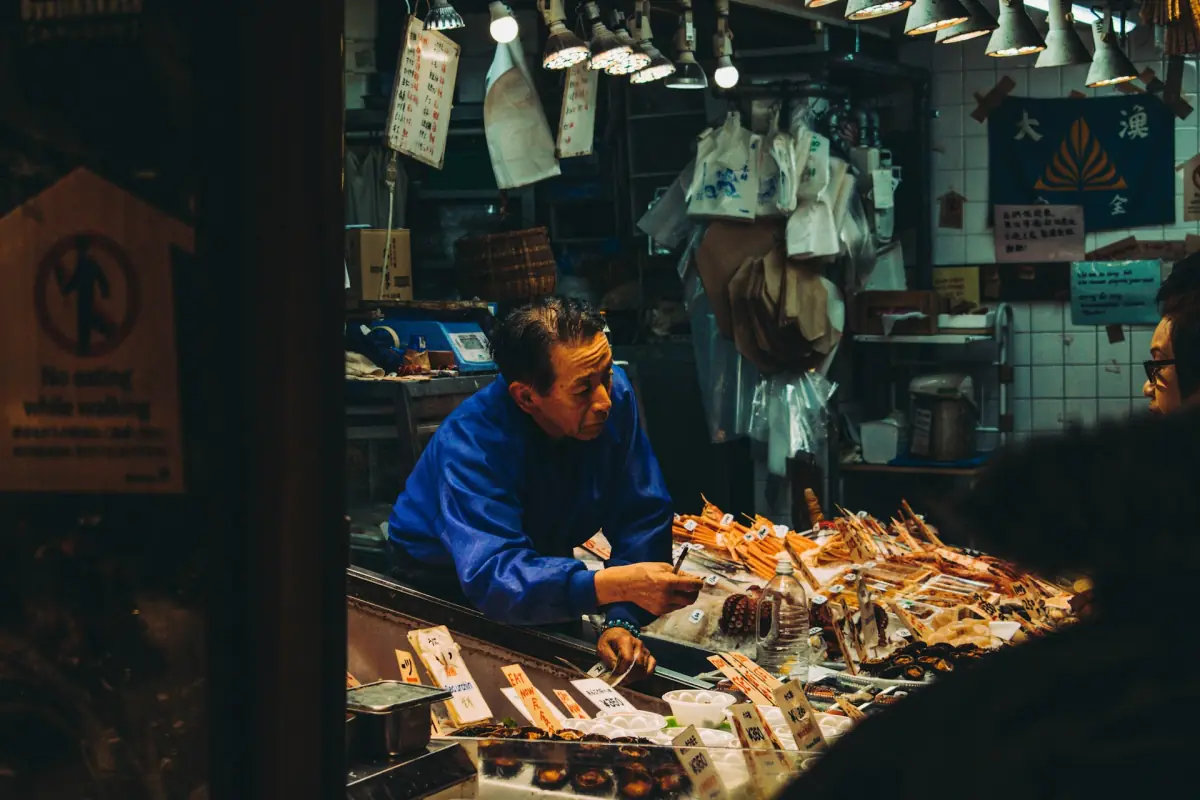
Food tours
Compare tastings, brunch and guided food experiences.
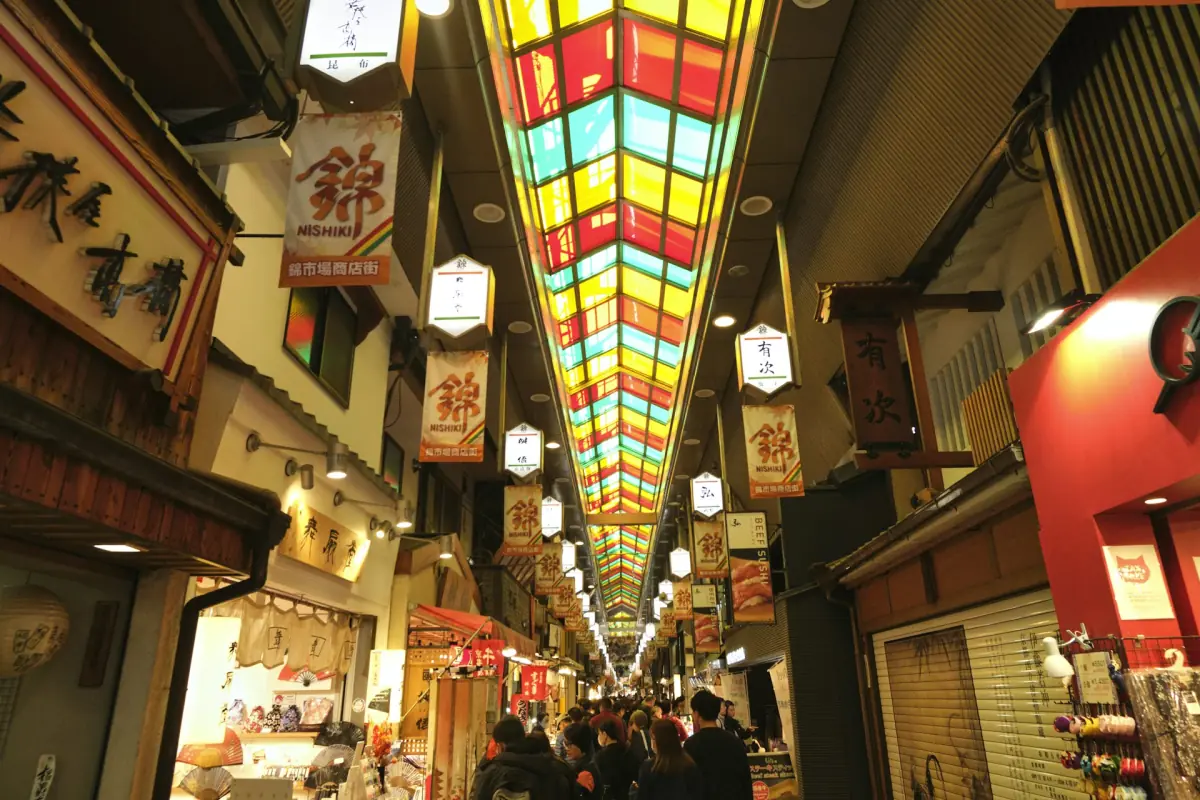
Nishiki Market
Plan around individual shop hours and eating etiquette.
Tea ceremony
Compare matcha sessions, kimono options and hands-on instruction.
Bike tours
Compare bicycle options, included equipment and riding conditions.
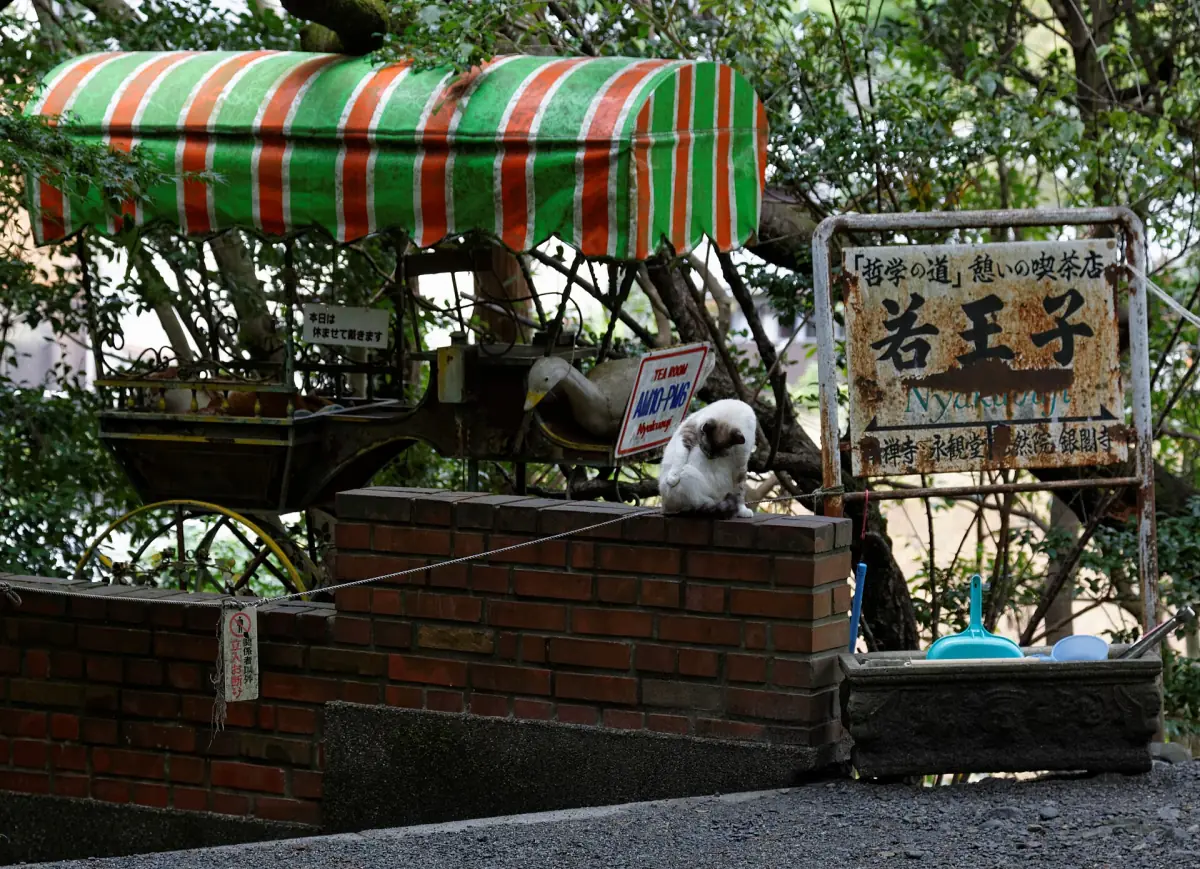
Philosopher’s Path
Combine the canal walk with the surrounding eastern area.
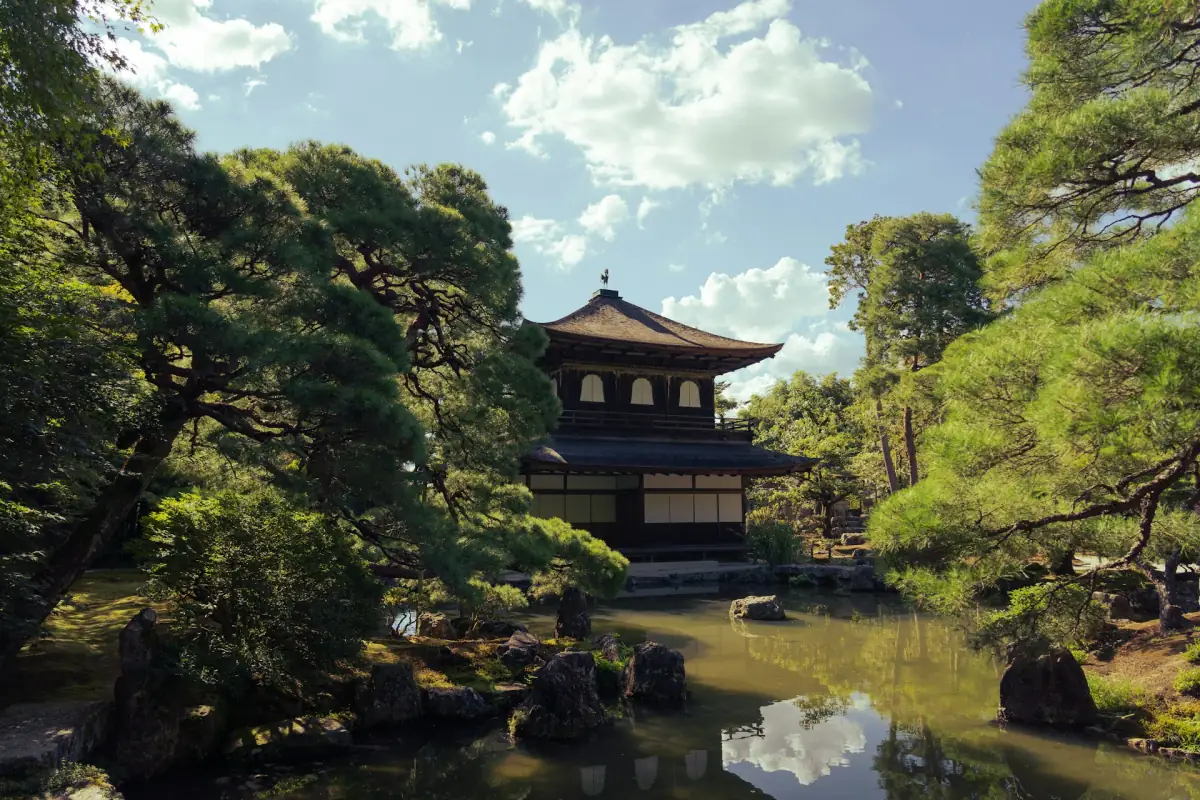
Temples and gardens
Compare Ginkaku-ji, Nanzen-ji, the palace and botanical garden.
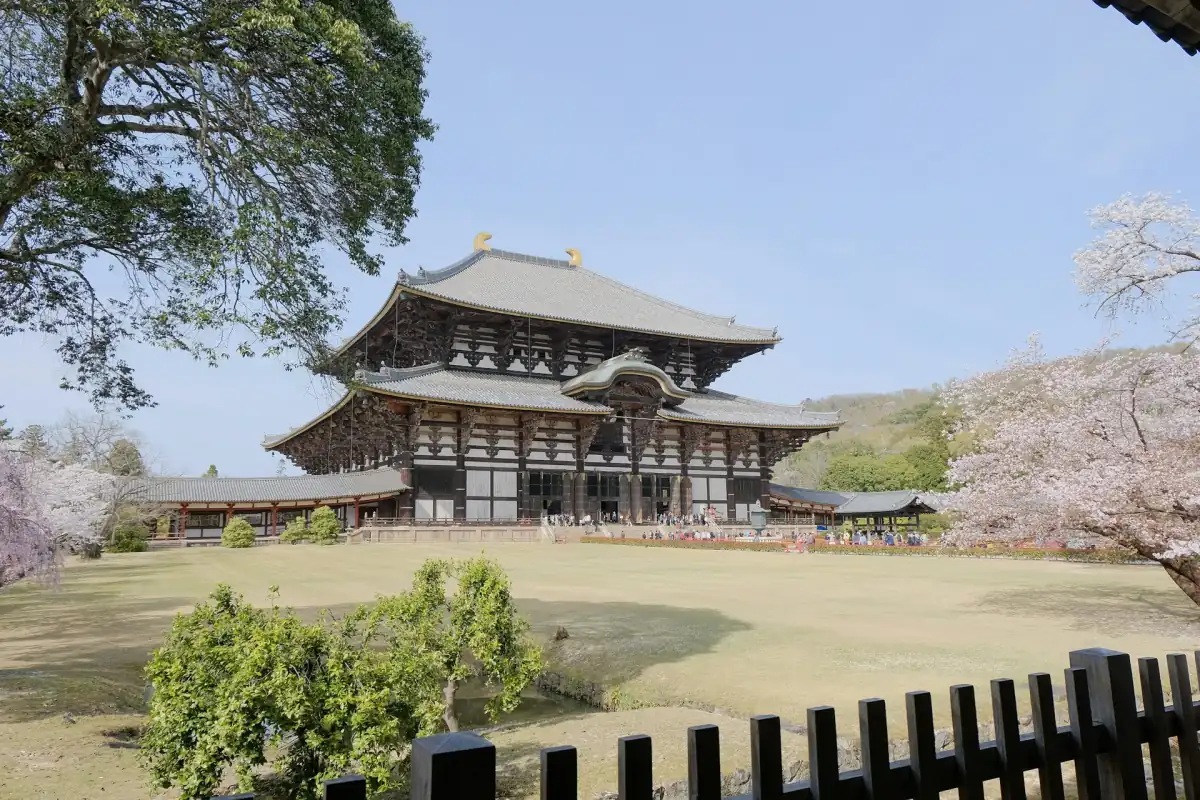
Nara from Kyoto
Choose a Kyoto departure and understand the return arrangements.
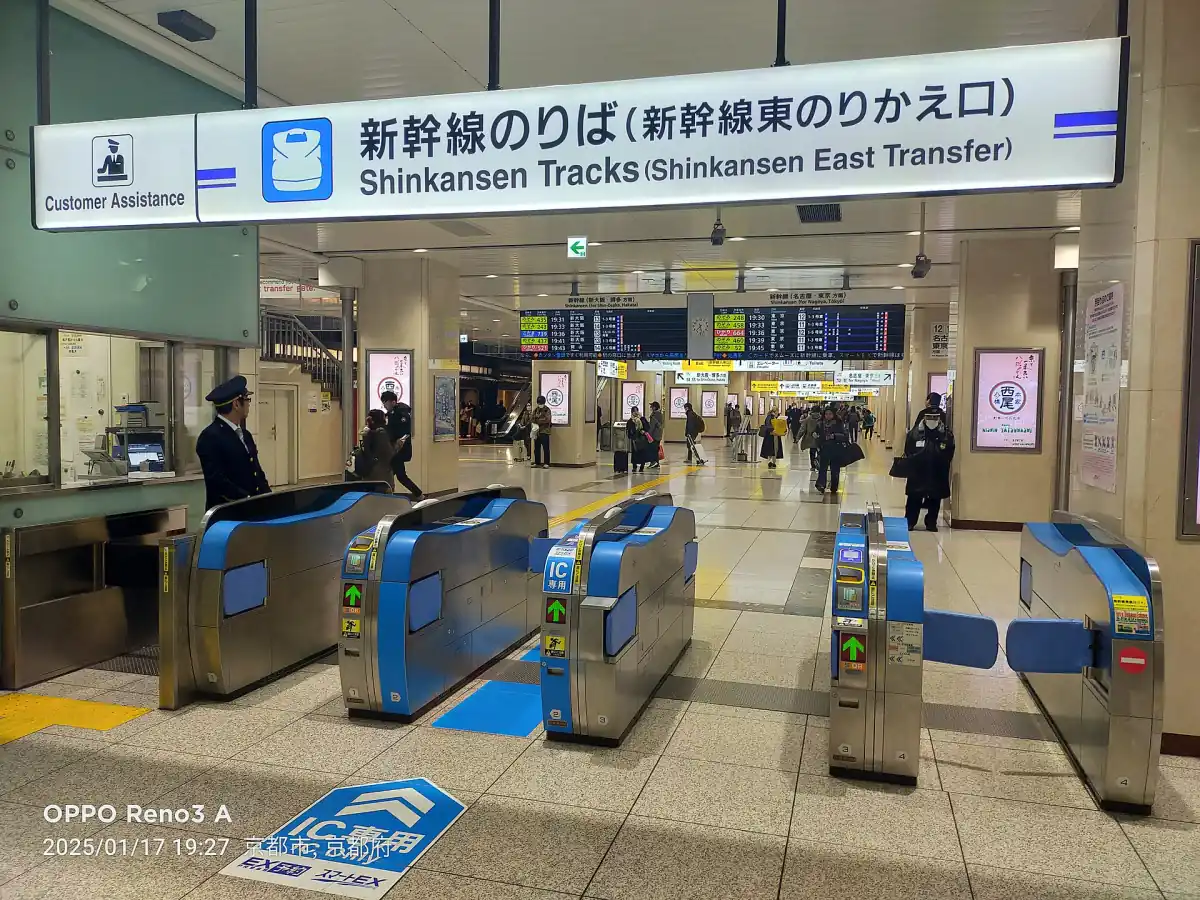
Getting to Kyoto
Distinguish Kansai Airport, Itami and the Shinkansen.
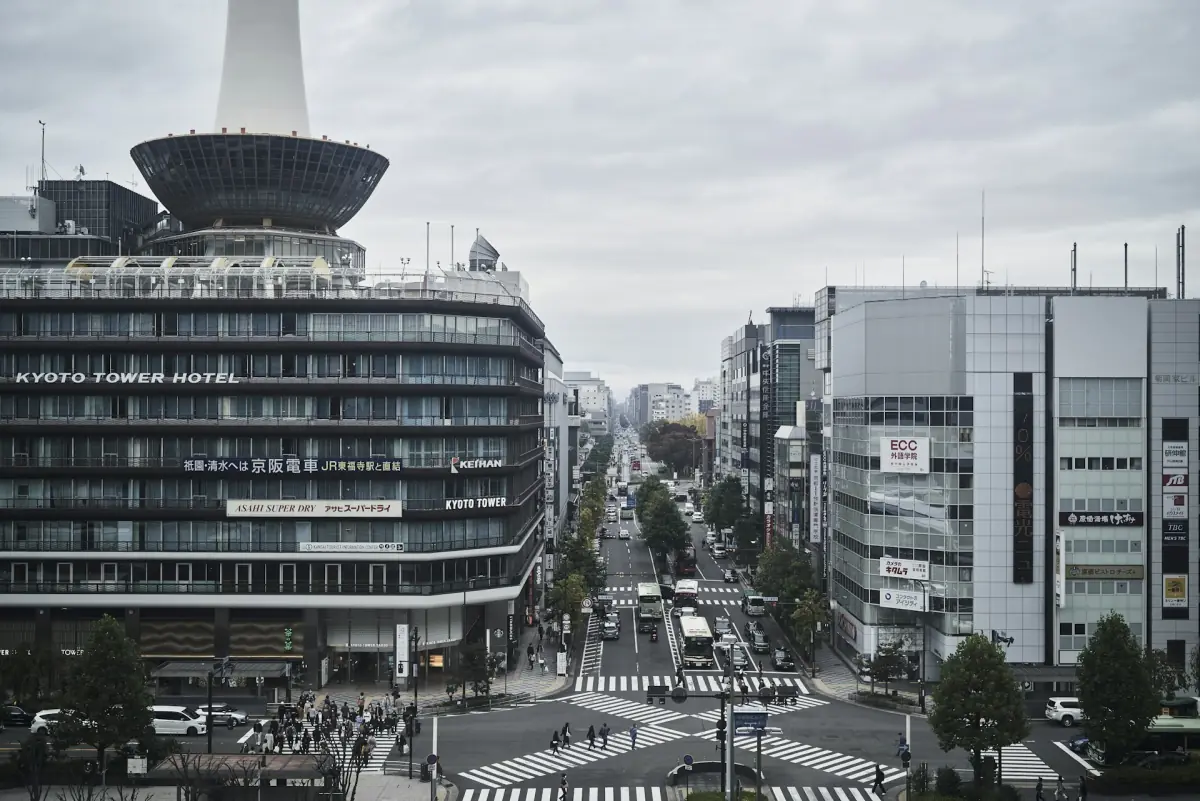
Where to stay
Choose a location around arrival routes and tour meeting points.
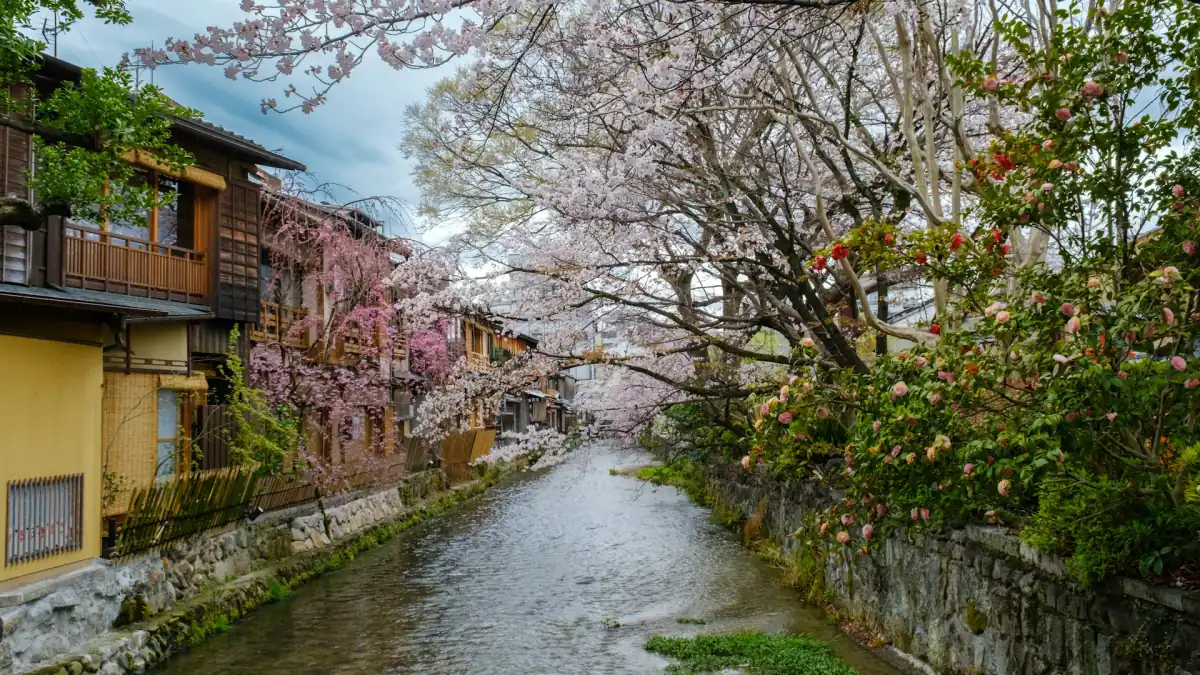
When to visit
Weigh blossom, autumn colour and the seasonal climate.
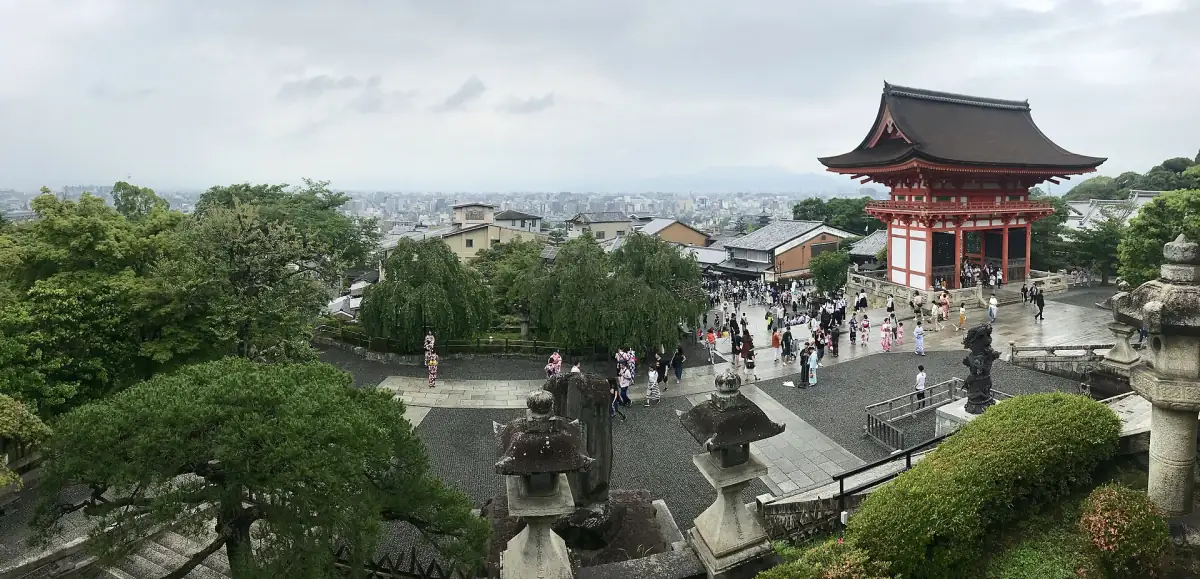
Kyoto weather
Read historical monthly temperatures and rainfall.
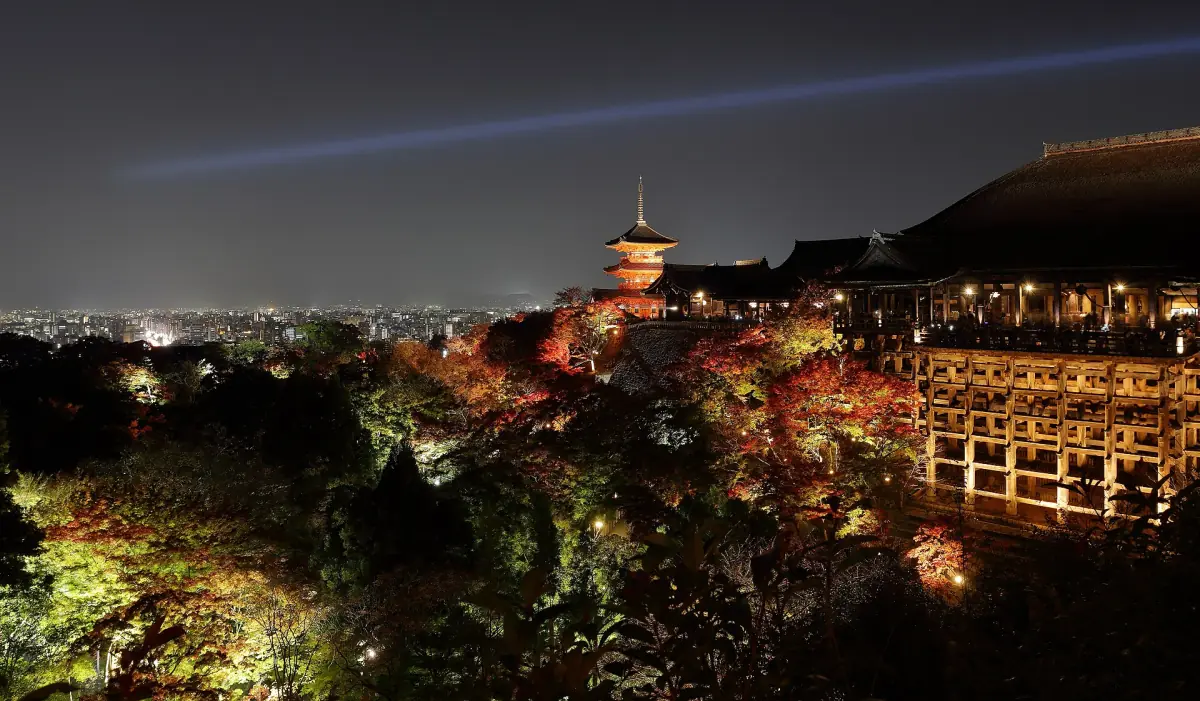
Autumn leaves
Plan seasonal visits with dated access and transport information.
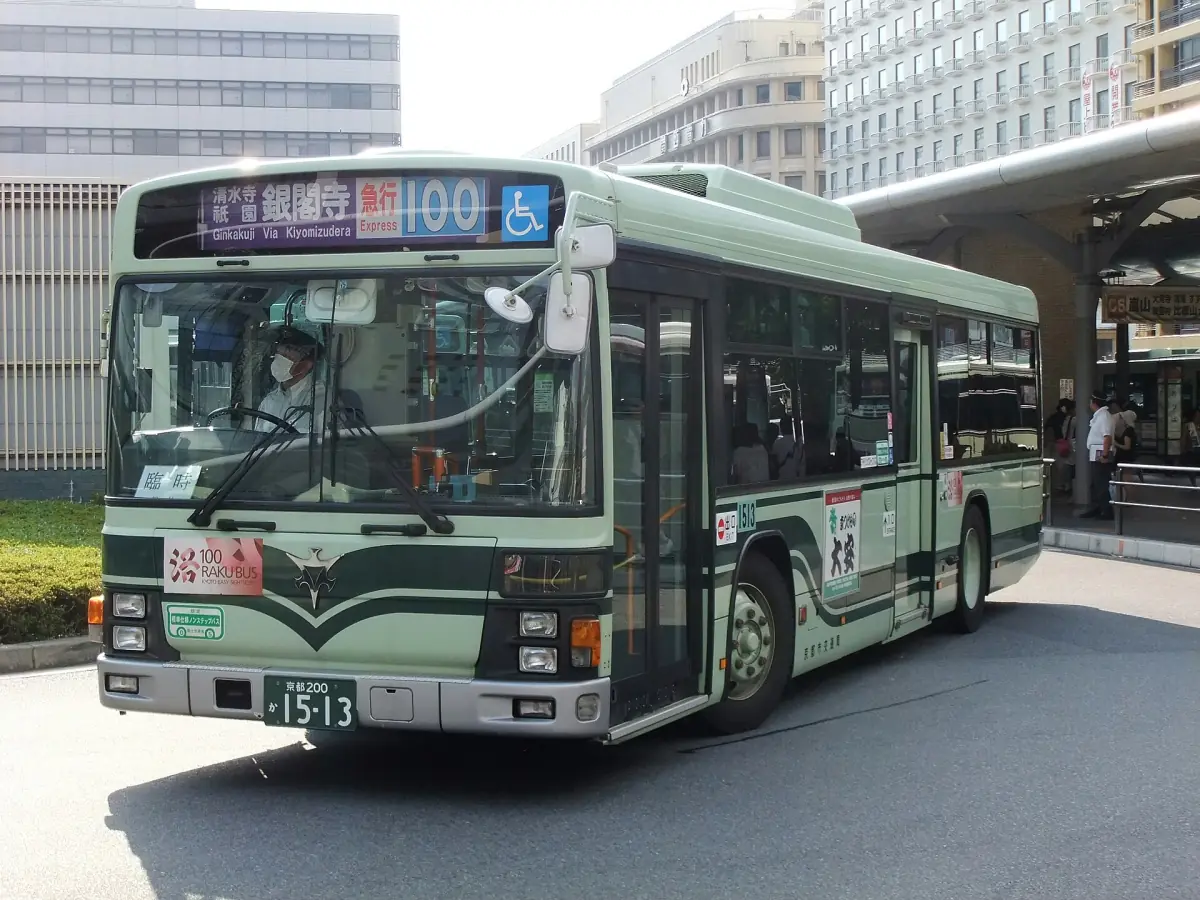
Getting around
Distinguish public buses, express buses and stored-value cards.
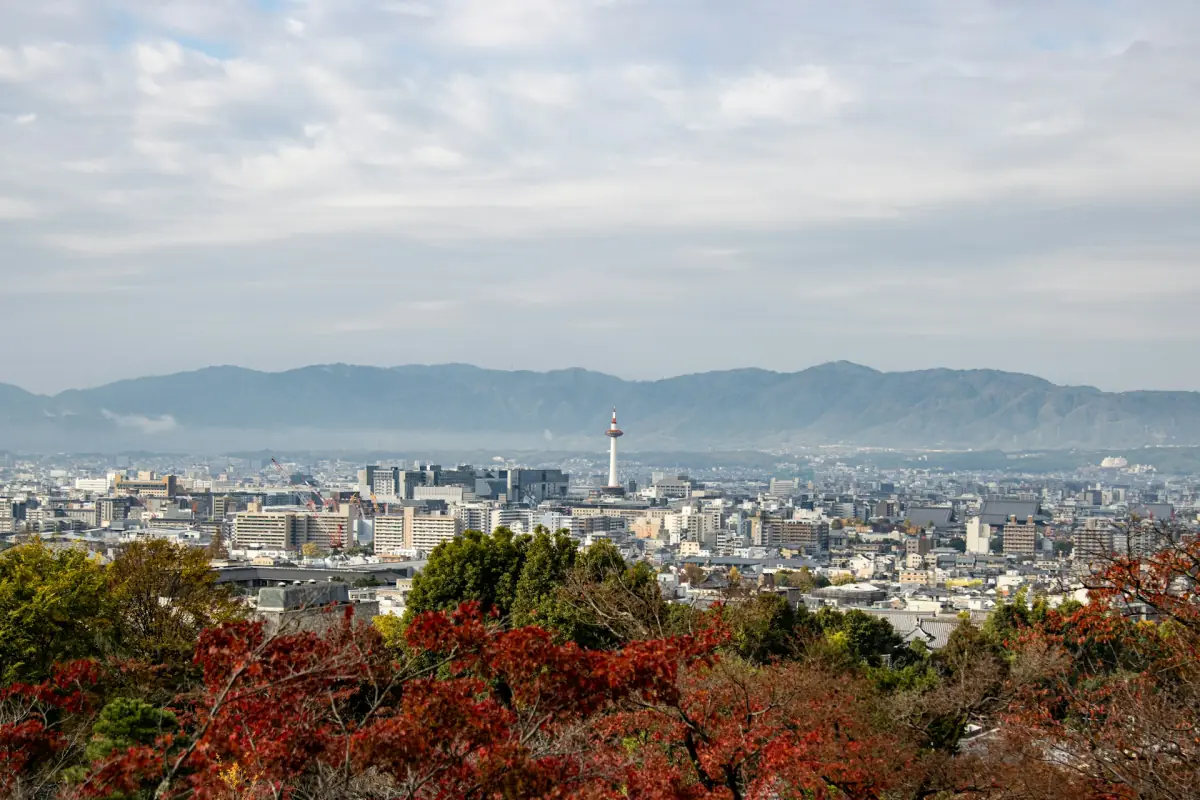
Kyoto itinerary
Group nearby sights and compare full-day guided routes.
Night tours
Compare evening dining, walks and stage performances.
Fushimi Inari
The head shrine of the Inari shrines belongs to the southern part of a Kyoto plan. Keep its religious role in mind when choosing a guided route. Fushimi Inari
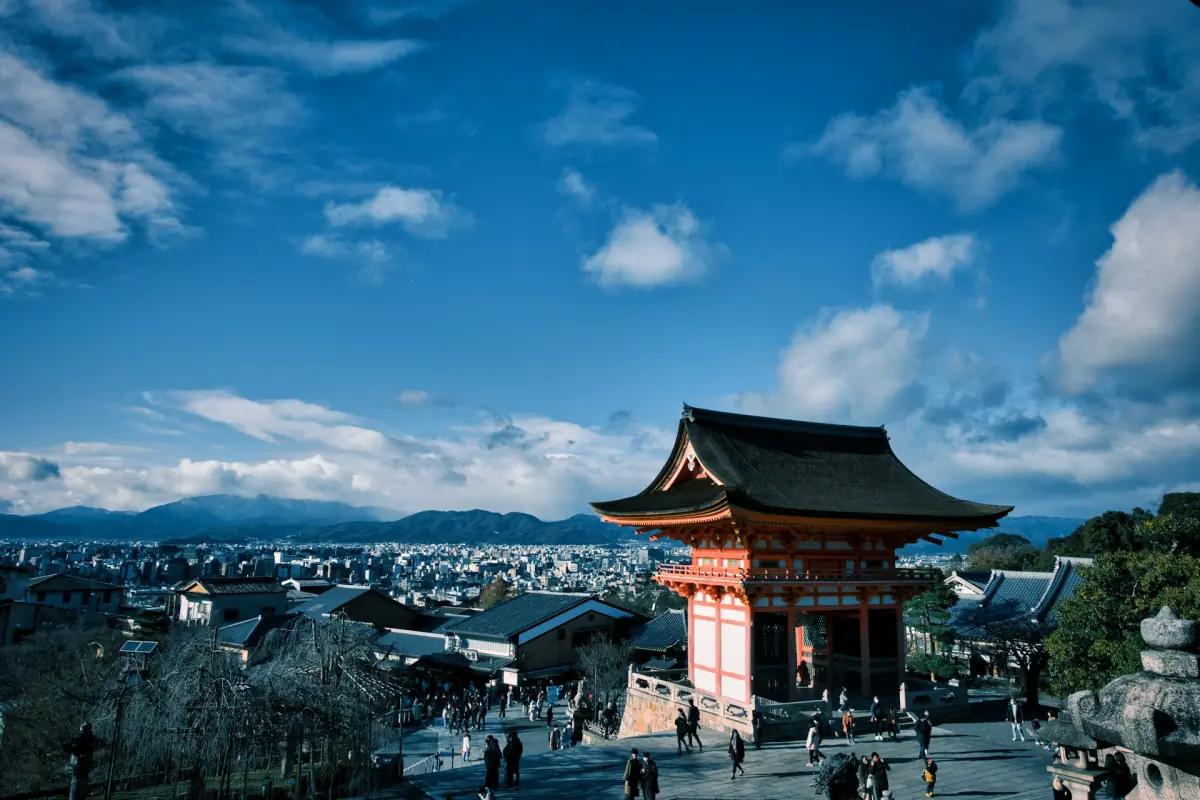
Kiyomizu-dera
The Kiyomizu area combines a temple visit with pottery traditions. Give this eastern part of the city its own place in the day. Kiyomizu-dera
Arashiyama
Saga and Arashiyama offer a bamboo walk distinct from the neighbouring temple gardens. Allow a western district outing rather than squeezing it between eastern stops. Arashiyama
Kinkaku-ji
The Golden Pavilion is a separate choice from the Silver Pavilion. Compare the wider route before choosing a tour simply for the name. Kinkaku-ji
Nijo Castle
The castle adds a secular historic site to a city visit. Honmaru Palace has a separate timed reservation from the ordinary castle and Ninomaru visit. Nijo Castle
Gion
Gion grew around Yasaka Shrine and remains a working cultural district. Respect private property and the people working here. Gion
Kyoto Prefecture
The prefecture extends beyond the city into tea, woodland and coastal regions. Use a regional guide when the plan moves beyond urban Kyoto. Kyoto Prefecture
Seasons, transport and a practical base
Spring blossom and autumn leaves are reasons to choose different dates. Historical climate normals put the highest average daily maximum in August and the greatest monthly rainfall in July. They describe a climate pattern, rather than the weather on the day of a tour. Use the season guide and weather page together when deciding how much outdoor time to plan.
Kyoto Station is an arrival point for Shinkansen services and the direct HARUKA connection from Kansai Airport. Itami is a separate airport with a separate bus connection. Within the city, an ICOCA card pays fares from stored credit; the Subway & Bus One-Day Pass covers defined networks. Match the pass to your journeys rather than treating every train as part of one system.
Choose accommodation with the arrival route and the start of your main tour in mind. A station base and an eastern neighbourhood create different first journeys each morning. The location guide explains that decision without hotel rankings. Leave space between a scheduled tour and the next appointment, especially when they begin in different districts.
Questions about visiting Kyoto
Is this a city tourism authority website?
This is an independent guide. It is separate from Kyoto City Tourism and from the operators of temples, transport services and tours.
Is the whole city a UNESCO World Heritage Site?
The listing is a series of 17 components across Kyoto, Uji and Otsu. It recognises specific places rather than the entire modern city.
Which experience leaves time for independent sightseeing?
The 1.5-hour kimono and matcha session is shorter than the six-hour early sightseeing route or the eight- to nine-hour bus circuit. Allow time to reach the meeting point as well.
How should visitors behave in Gion?
The city’s guidance dated 2 October 2026 asks visitors not to touch, follow or photograph Geiko and Maiko without permission, and to respect private property and privacy.