
Understanding Kyoto weather before choosing a date
Kyoto weather changes substantially across the seasons: the Japan Meteorological Agency’s historical series shows hot summer afternoons, much cooler winter mornings and rain in every month. The table below describes the Kyoto city station and the normal period 1991 to 2020. It provides a basis for choosing clothing and the balance of indoor and outdoor activities, rather than a forecast for this week or for a future visit.
The maximum and minimum columns are averages of daily highs and lows within each month. They are not record temperatures. Rainfall is the average monthly total, rather than the number of rainy days or the amount likely during your stay. Keep those distinctions in mind when comparing months: a lower total still leaves room for rain on the day you planned a long walk.
Monthly temperatures and rainfall
| Month | Mean daily high °C | Mean daily low °C | Rainfall mm |
|---|---|---|---|
| January | 9.1 | 1.5 | 53.3 |
| February | 10.0 | 1.6 | 65.1 |
| March | 14.1 | 4.3 | 106.2 |
| April | 20.1 | 9.2 | 117.0 |
| May | 25.1 | 14.5 | 151.4 |
| June | 28.1 | 19.2 | 199.7 |
| July | 32.0 | 23.6 | 223.6 |
| August | 33.7 | 24.7 | 153.8 |
| September | 29.2 | 20.7 | 178.5 |
| October | 23.4 | 14.4 | 143.2 |
| November | 17.3 | 8.4 | 73.9 |
| December | 11.6 | 3.5 | 57.3 |
August has the highest average daily maximum in this series, while July has the largest precipitation normal. Those are different measures, so choosing a month solely by rainfall can miss the temperature conditions for walking. The season guide relates this climate comparison to cherry blossom and autumn colour. Use it to choose a broad period, then return to a forecast for decisions about a particular morning or afternoon.
An indoor Kyoto experience
The ramen experience is an indoor option for your plans.
Hand-picked tours, booked through Viator. Prices are indicative starting prices in US dollars (as of October 2026). Tap a tour for live availability and the current price in your currency.
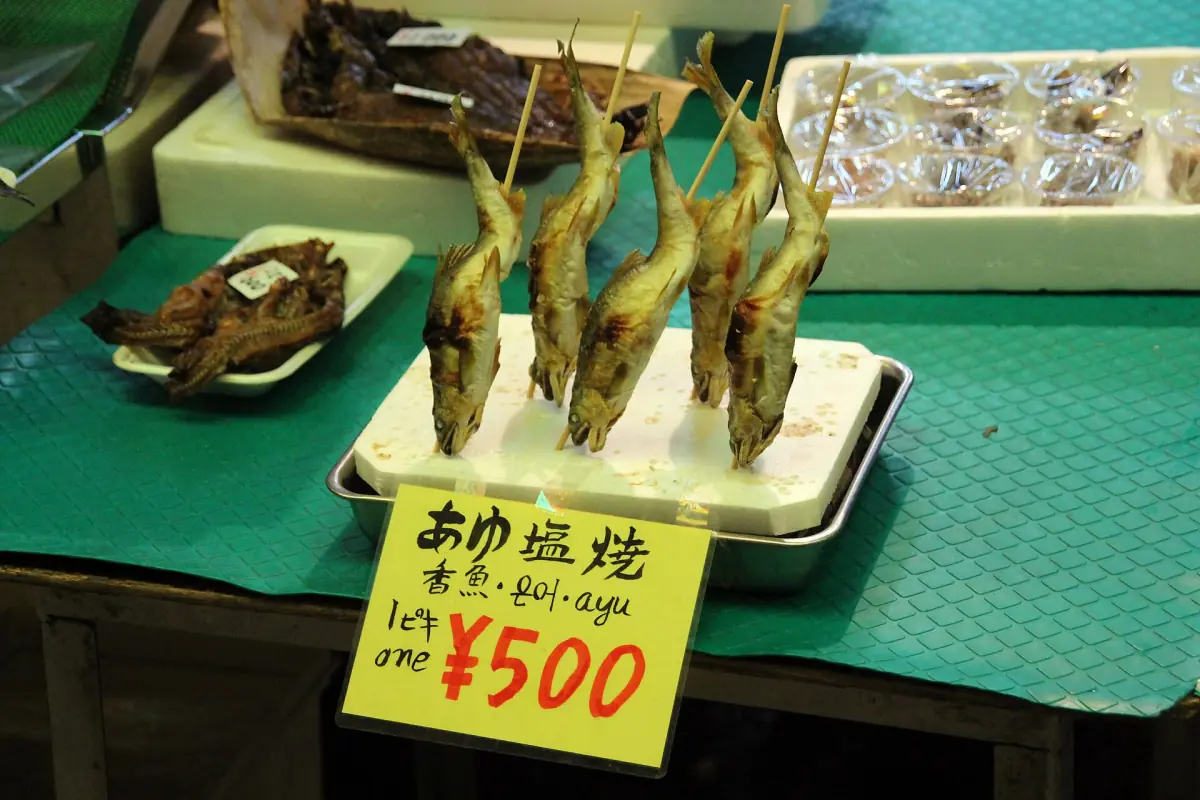
A ramen class between outdoor visits
A 90-minute ramen experience with a host, lunch and food tasting offers a defined indoor activity in the city.
Rainy-season planning and an indoor alternative
Kinki’s rainy-season normals are approximately 6 June for the beginning and 19 July for the end. These dates describe a regional climate pattern. They should not be read as the actual start and finish in your year, or as a promise of dry days outside that interval. In September, autumn rain fronts and tropical cyclones can also bring rainfall. Leave space in the plan to shorten an outdoor outing rather than relying on a month’s reputation.
The ramen-making experience is an indoor option with a listed duration of 90 minutes. Its inclusions are a host, lunch, food tasting and local taxes. The meeting address is 447-14-B1 Kajii-cho, Kamigyo-ku, with instructions to use the basement entrance by the supermarket. Choose this activity for the food experience itself, and account for the journey to it in wet weather. Follow the booked session’s arrangements if transport or weather changes.
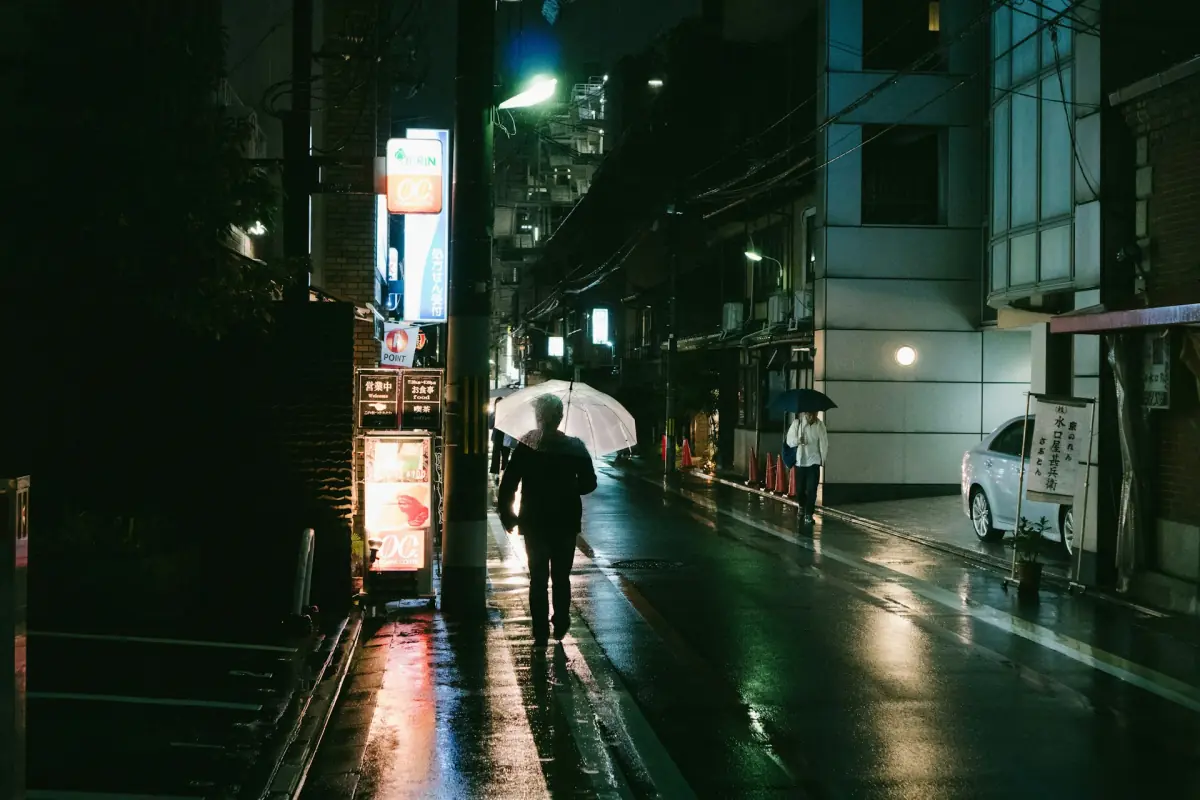
Heat, cold and what to pack
For summer sightseeing, the historical highs favour lighter clothing, drinking breaks and a plan with pauses between outdoor stretches. A morning departure changes the shape of the day, but it does not remove the need to pay attention to the forecast. Keep water and rain protection practical to carry, especially when an itinerary combines several walks rather than one short visit.
Winter calls for layers and an outer garment suited to spending time outside. January’s mean daily low is 1.5°C; December’s is 3.5°C. Those averages help explain why clothing for an afternoon indoors may feel insufficient at an outdoor meeting point. Spring and autumn sit between the extremes, yet the high and low columns still differ. Pack for both ends of your planned day instead of using the daytime high as the only reference.
Turn the forecast into a workable city day
Before setting out, match the forecast to the hours when you expect to be outside. Move the longest walk to a more suitable part of the day when your reservations allow, and leave time to get to a booked activity. The itinerary page helps group visits, while the transport guide covers the practical distinction between public travel and a guided outing.
These station values apply to the city comparison on this page. For the coast of Kyoto Prefecture, surrounding mountains or Nara, seek a forecast for the actual destination. Likewise, a seasonal foliage report describes leaves rather than weather. Read the two together if you are planning an autumn walk, with opening hours and the journey treated as separate parts of the decision.
Questions about your visit
Is this a forecast for my stay?
The figures are historical normals for 1991 to 2020. A current forecast is the relevant tool for choosing the time of a walk and deciding what to carry on a particular day.
Does the rainy season mean continuous rain?
The approximate regional dates describe the climate pattern. Plan individual days from the forecast and leave room to adapt outdoor visits.
What does the ramen experience include?
The listed inclusions are a host, lunch, food tasting and local taxes. Allow 90 minutes for the experience and additional time for your own journey to the meeting address.