
Choosing the best time to visit Kyoto
The best time to visit Kyoto depends on what you want to spend time outside doing. Spring and autumn are milder than high summer in the city’s historical climate records. Cherry blossom and autumn foliage give those seasons different reasons to visit, while summer calls for more attention to heat and rainfall. Choose the experience first, then use seasonal averages to assess how comfortable its outdoor parts might feel.
These comparisons use Japan Meteorological Agency normals for 1991 to 2020, rather than a forecast for your travel dates. April’s mean daily maximum is 20.1°C, compared with 33.7°C in August and 17.3°C in November. An average maximum describes many days across the reference period; it is neither a promised afternoon temperature nor a limit. The full monthly weather table helps when comparing neighbouring months.
Kyoto cherry blossom and spring visits
For the Kyoto reference tree of the Somei-yoshino variety, historical normals put the first blossom on 26 March and full blossom on 4 April. Those are useful orientation points for choosing a broad period. Different varieties and elevations affect flowering, so a citywide itinerary should leave room to respond to conditions rather than depend on one tree being at its peak on a fixed morning.
The city’s spring calendar finished its 2026 updates on 10 April. When choosing a future visit, use the calendar for the relevant season and read the date attached to each report. Give a blossom walk its own space in the day, with another activity that still interests you if flowering is earlier or later. The Kyoto itinerary guide helps organise the rest of that day without making every stop depend on the same seasonal display.
A scheduled Kyoto walk
This guided walk offers a scheduled activity for your itinerary.
Hand-picked tours, booked through Viator. Prices are indicative starting prices in US dollars (as of October 2026). Tap a tour for live availability and the current price in your currency.
A guided morning through Kyoto
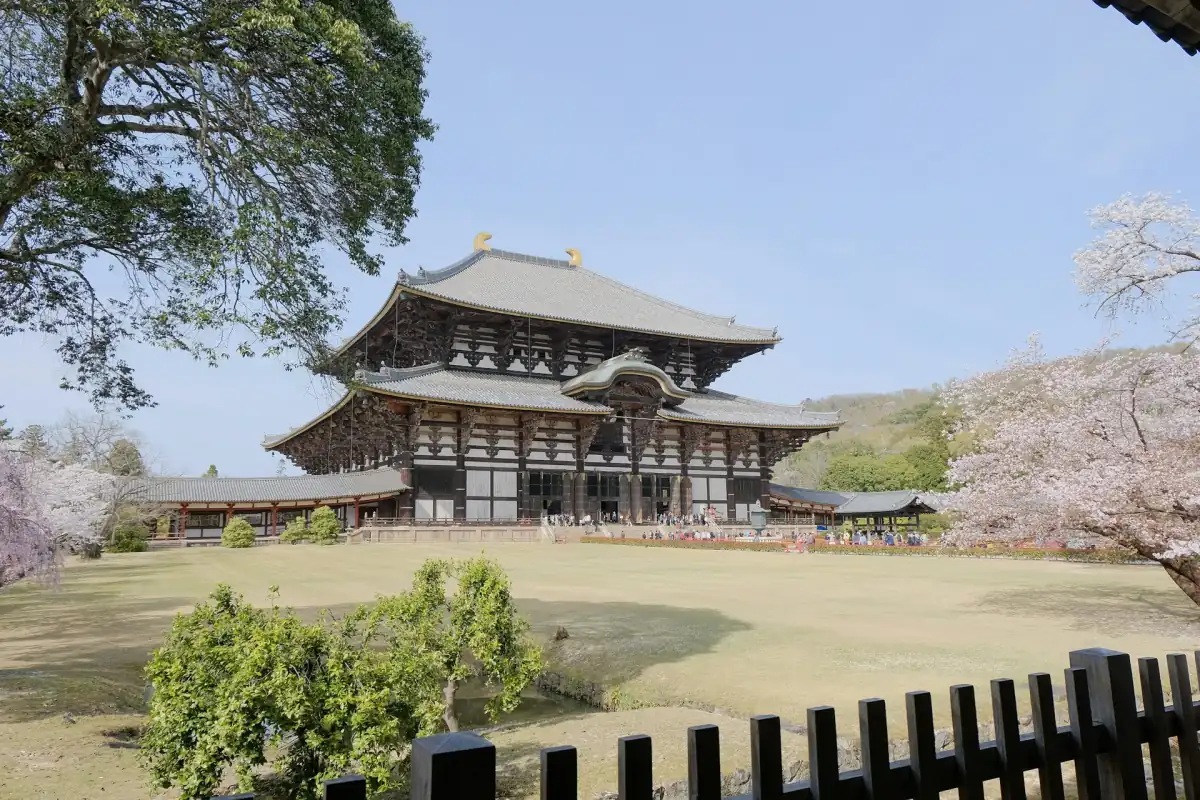
An early route with an English-speaking guide, Tenryu-ji admission and named stops in Fushimi Inari and Arashiyama.
An early guided route as a fixed part of the day
The early guided outing combines Fushimi Inari and Arashiyama with an English-speaking guide. Its listed inclusions name the bamboo forest, Togetsu-kyo Bridge and Tenryu-ji, including Tenryu-ji admission. The duration is 240 to 300 minutes, and the meeting instructions place the start at the convenience store by Kyoto Station’s central ticket gate. Follow the detailed meeting message for the booked departure.
This is a way to give part of a short stay a defined structure. The included places are the reason to choose it; cherry blossom viewing and an empty route are separate expectations. Use the departure offered for your date, leave time to reach the station and keep the later part of the day flexible. More walking tours are grouped by route for visitors who prefer a different focus.
Summer, rain and cooler months
In the same historical series, July has the largest monthly precipitation normal, 223.6 mm, while August has the highest mean daily maximum. The regional rainy-season pattern for Kinki runs approximately from 6 June to 19 July. This is a climatic reference, rather than a timetable for when rain starts and stops in a particular year. A summer visit benefits from shorter outdoor stretches, pauses and room to move a walk when the forecast changes.
Winter needs a different packing decision. January’s mean daily maximum is 9.1°C and its mean daily minimum is 1.5°C. Bring layers that suit time outdoors and a warmer outer layer for a morning start. Monthly averages do not predict snow on a sightseeing day. For any season, decide which planned visits really require dry conditions and avoid filling every gap with another outdoor commitment.
Autumn colour and the final choice
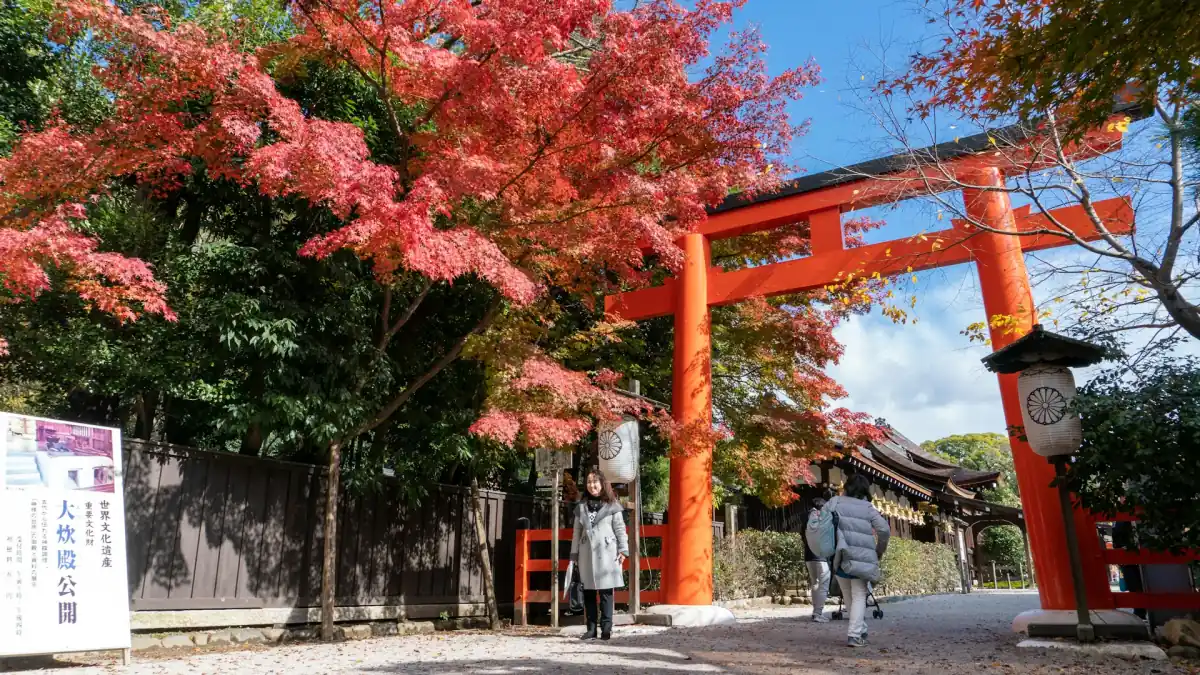
Autumn planning combines foliage reports with the dates of individual openings. The city foliage calendar had a visible update date of 30 October 2026; use the date of a report alongside its location. November’s lower rainfall normal does not promise clear skies, and a seasonal opening says when a place admits visitors rather than when its leaves will reach their strongest colour.
For November 2026, special opening windows and temporary transport measures make the autumn leaves guide the useful next step. Keep that operational detail separate from choosing a season. If your dates are already fixed, the practical decision becomes how to divide outdoor time, a booked activity and the journeys between them, using a current forecast closer to arrival.
Questions about your visit
Does early April guarantee cherry blossom?
The reference tree’s full-blossom normal is 4 April for 1991 to 2020. Varieties, elevation and each season’s conditions affect what you will see, so follow dated blossom reports for your visit.
Is autumn drier than high summer?
The November rainfall normal is 73.9 mm, compared with July’s 223.6 mm. These historical monthly totals help compare seasons; use a forecast to plan a particular walk.
Should I choose the tour for seasonal flowers?
Choose it for the included guided route, bamboo forest, bridge and temple visit. Build any blossom or foliage viewing around the seasonal conditions and the departure available for your date.