
Find the Kyoto tea ceremony that fits your day
A Kyoto tea ceremony brings a different rhythm to a day of street walks and temple visits. The main decision is whether you want to concentrate on tea or combine the session with wearing a kimono. Matcha and sweets, practical instruction, clothing rental and hairstyling appear in different combinations. Choose the experience around those concrete elements rather than treating every tea session as the same activity.
The tea-focused session lasts an hour. The kimono formats run for an hour and a half or two hours, with their own venues and services. Leave time to reach the starting address and arrive ready for the session. A guided walk before or afterwards gives useful contrast, provided you allow a gap between appointments.
Tea experiences in Kyoto
Choose a kimono experience for dressing up or the tea master’s session for hands-on matcha instruction.
Hand-picked tours, booked through GetYourGuide and Viator. Prices are indicative starting prices in US dollars (as of October 2026). Tap a tour for live availability and the current price in your currency.
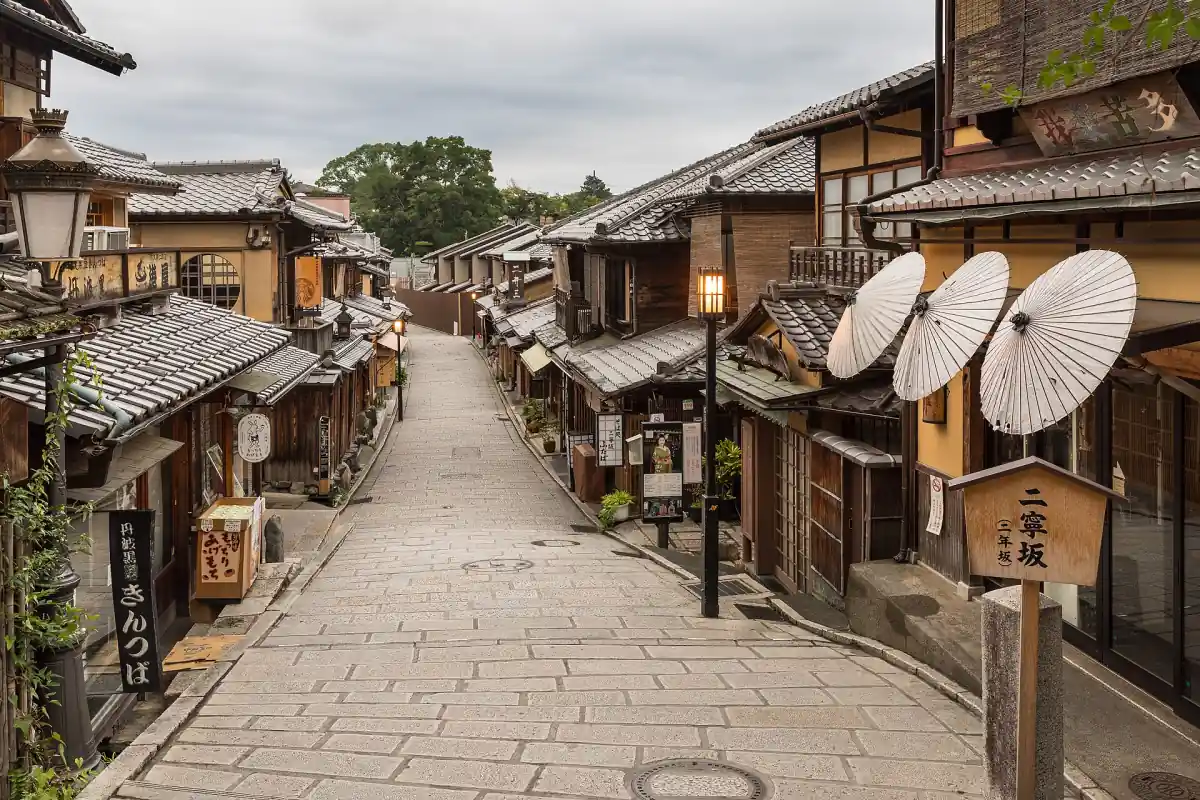
Kimono and tea in a townhouse
- Kimono rental
- Free hair set and hair accessories
- Experienced staff guidance
Wearing the kimono outdoors costs an additional JPY 1,000.
Check availability →
Tea ceremony in kimono
- Kimono Set Rental
- Snacks (Wagashi & matcha)
- Licensed Guide
Calligraphy equipment is included only with the calligraphy option.
Check availability →
Learn the art of matcha
- Tea ceremony demonstration, hands-on instruction, and history by a tea master
- Authentic Matcha powder sourced directly from a local tea farm
- Master-selected traditional Japanese sweets
Arrive five minutes before the session begins.
Check availability →Matcha, sweets and kimono experiences
Compare a tea-master session with two kimono-and-tea formats, including their different clothing and calligraphy options.
A tea master, matcha and traditional sweets
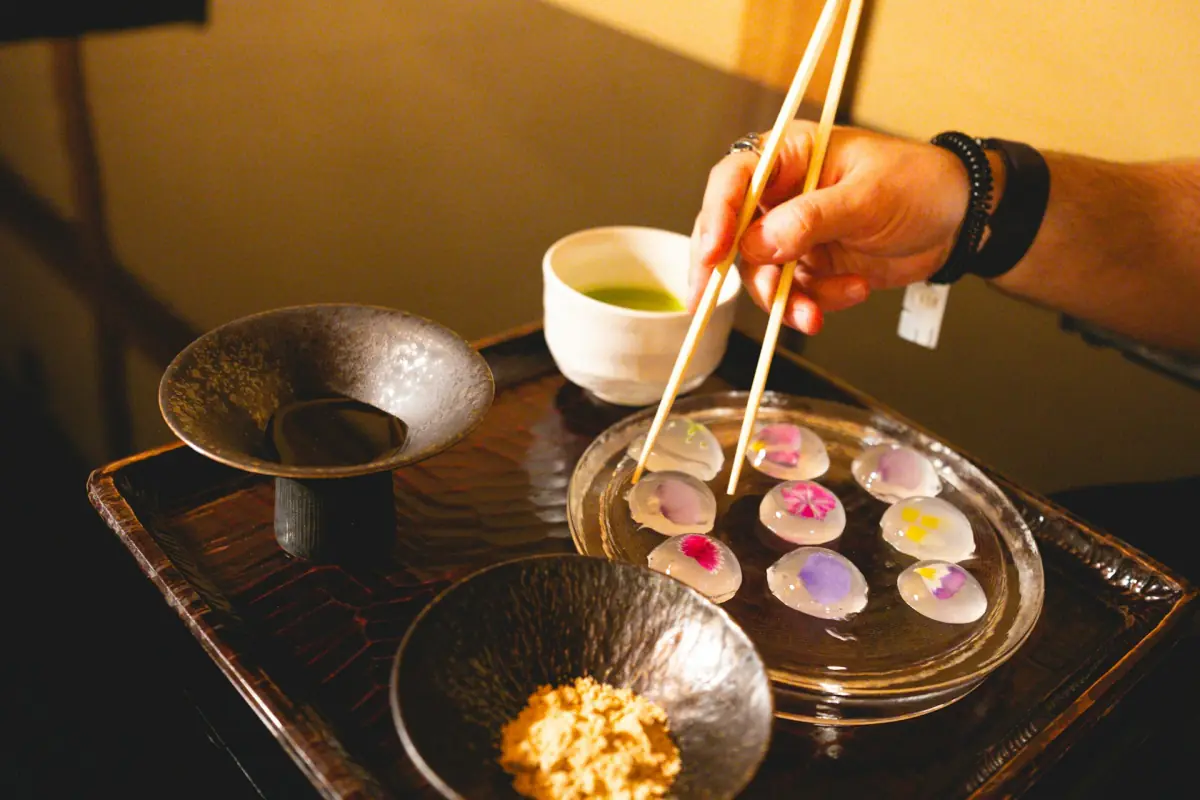
The one-hour tea session includes a demonstration, hands-on instruction and history explained by a tea master. Its inclusions also specify matcha powder sourced from a local tea farm, selected traditional Japanese sweets and a take-home recipe for making matcha part of everyday life. This format suits visitors who want the teaching and tasting to be the main purpose of the booking.
The meeting instructions place the venue on the fifth floor, reached by elevator, and ask guests to arrive five minutes before the session. Admission closes when the session begins under the stated conditions. Arrange your preceding activity accordingly. Keep the venue instructions with your booking rather than travelling to a different tea experience simply because both are in Kyoto.
Kimono rental and tea in Gion
The ninety-minute kimono-and-tea experience begins at Gionmachi Minamigawa 572-7 in Higashiyama. It includes wagashi and matcha, a kimono set rental, tea ceremony utensils, simple hairstyling, a licensed guide, and fees and taxes. Calligraphy equipment is included only with the Japanese calligraphy experience option. Choose that option if calligraphy is part of what you want to do.
The two-hour townhouse experience meets at Kiyoicho 483-1, at the Yasaka Shrine shop named in its meeting details. Its services include the tea ceremony in a traditional Kyoto townhouse, kimono rental, a hair set and accessories, and staff guidance. Wearing that kimono outside costs an additional 1,000 yen. Consider whether your interest is mainly the session indoors or also using the clothing outdoors.
Culture and workshops: choose the activity itself
The tea-master format gives explicit space to history and practical instruction. The kimono formats combine tea with clothing and hair preparation. Calligraphy adds a further activity only through the relevant option. These differences are more useful for choosing than broad labels such as culture or workshop: decide what you want to spend the appointment doing, and then match the inclusions.
If the food component is your main interest, compare a tea session with the more substantial programmes on the food tours page. Sweets and matcha play a specific part in the tea experience; the brunch and market tasting programmes have a different structure. Putting them on separate parts of the day lets you appreciate both without treating tea as a substitute for every meal.
Gion as the setting
Gion developed near Yasaka Shrine and remains associated with working geiko and maiko. A booked tea or kimono appointment gives you the services in that particular programme. Enjoy the surrounding streets with respect for the neighbourhood and the people who live and work there.
The city’s guidance dated 2 October 2026 asks visitors not to touch, follow or photograph geiko and maiko without permission, and not to enter private property. Keep those principles in mind when taking photographs around your appointment. For the rest of the city day, the sightseeing overview helps you choose another area or activity.
Questions before choosing
Is calligraphy included with kimono rental?
Calligraphy equipment belongs to the Japanese calligraphy experience option of the ninety-minute kimono-and-tea product.
Which format teaches tea preparation?
The one-hour tea-master session explicitly includes a demonstration, hands-on instruction and tea history, as well as matcha, sweets and a take-home recipe.
Can I wear the townhouse experience’s kimono outside?
Outdoor wear costs an additional 1,000 yen for the two-hour townhouse product. Its kimono rental and hairstyling are included in the session.