
Understanding Kyoto history on the ground
Kyoto history begins with a city laid out in 794 following the model of ancient Chinese capitals. It remained the imperial capital until the middle of the nineteenth century. That long frame is useful when choosing a walk: imperial institutions, religious buildings and neighbourhood culture tell different parts of the story. A route centred on the palace answers different questions from a walk through the eastern streets.
Begin with the subject that interests you, then choose the geography. The palace and castle walk combines a political focus with a three-hour outing. Higashiyama offers a historical walking format, while a shorter Gion culture tour concentrates on a working neighbourhood. Our city sightseeing guide helps place these choices within a wider first visit.
Kyoto history walks
Choose a local-guided walk or the English-guided tour with entrance fees included.
Hand-picked tours, booked through Viator. Prices are indicative starting prices in US dollars (as of October 2026). Tap a tour for live availability and the current price in your currency.
Guided Kyoto history walk
- English-speaking tour guide
- Entrance fees
A three-hour walk with an English-speaking guide.
Check availability →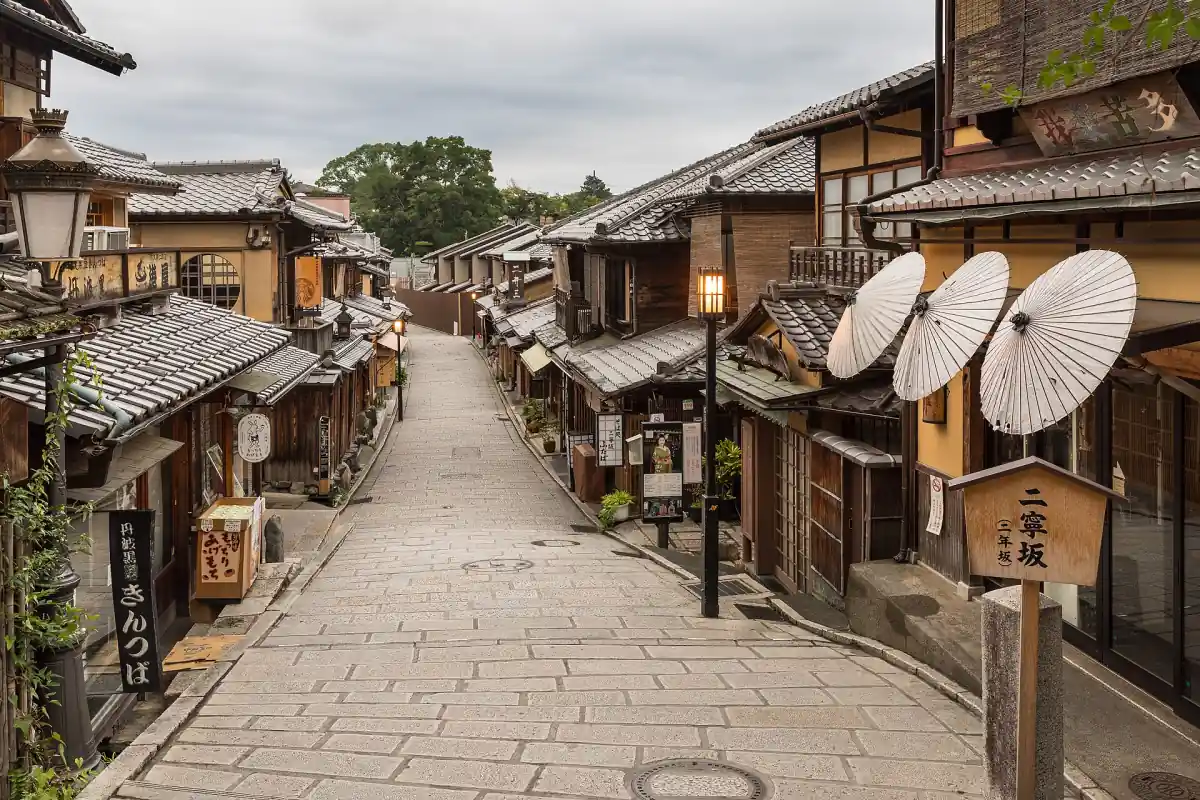
Kyoto history walking tour
- Walking tour
Explore Kyoto on foot.
Check availability →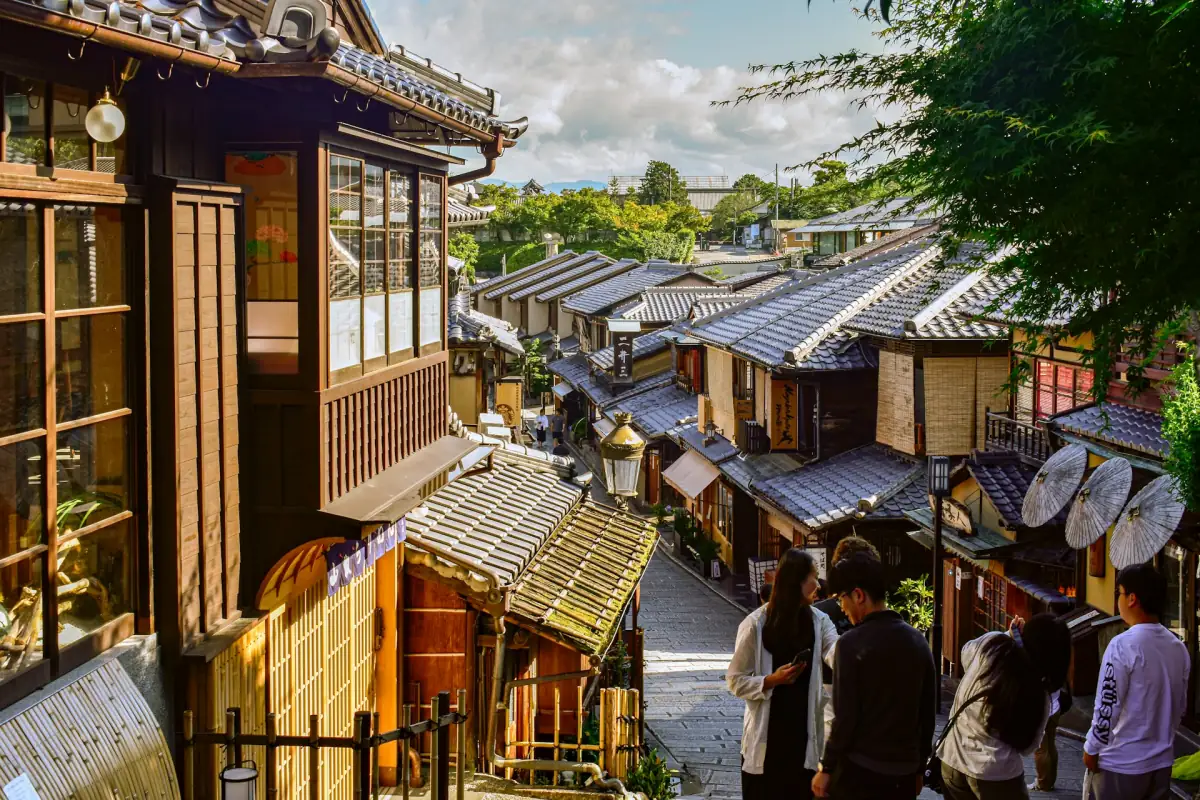
Kyoto walk with a local guide
- Local Guide
Explore on foot with a local guide.
Check availability →Historical walks through Kyoto
Compare the palace and castle walk with historical Higashiyama and a shorter introduction to Gion culture.
Architecture and historic buildings
Wooden architecture and garden design are central to Kyoto’s cultural importance. Religious buildings are particularly significant, but architecture is more than a checklist of famous façades. Looking at a gate, a garden setting and the relationship between buildings gives a historical walk a useful purpose: spend time understanding a smaller selection rather than collecting distant stops.
The eastern Kiyomizu area also has a connection with Kiyomizu-yaki and Kyo-yaki ceramics. This gives craft culture a place alongside buildings without turning every street into an open museum. For a visit focused on landscapes and religious places, continue to temples and gardens; for a route chosen mainly around walking, use the separate walking tour comparison.
UNESCO: a series of monuments
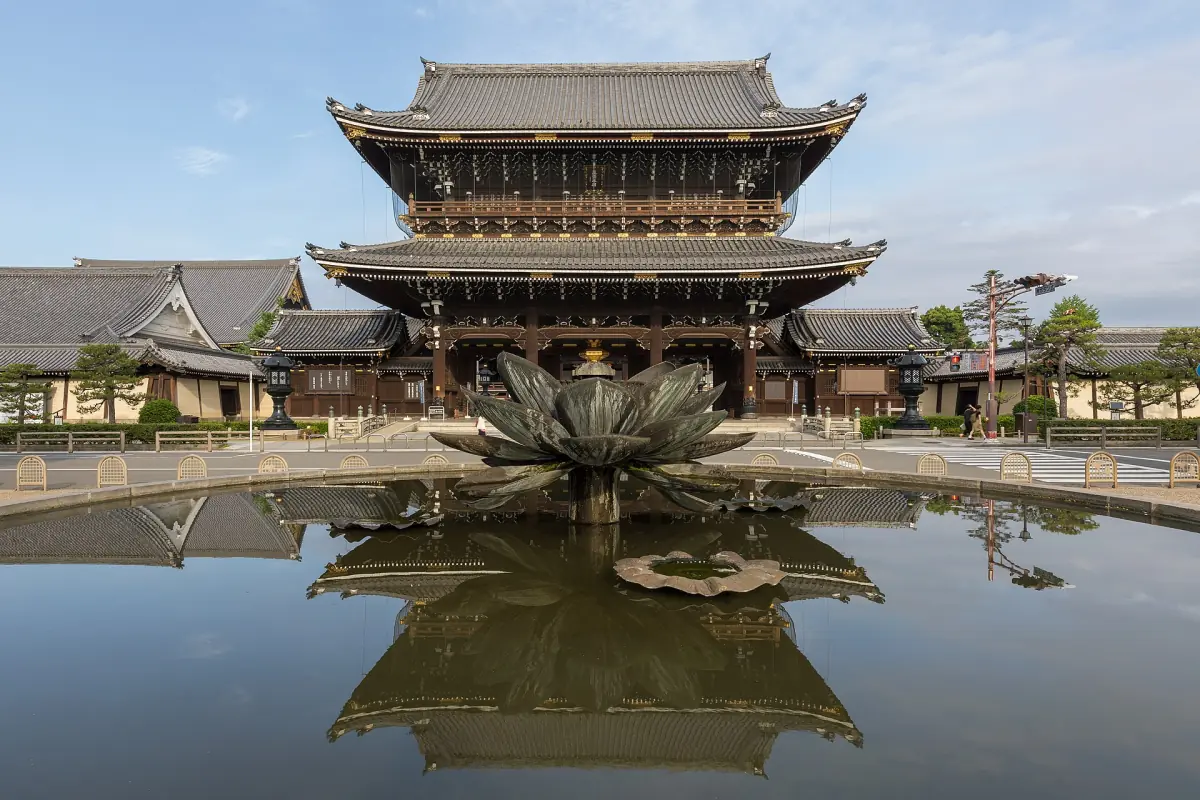
The World Heritage property is called Historic Monuments of Ancient Kyoto (Kyoto, Uji and Otsu Cities). Inscribed in 1994, it contains 17 components across those cities. Otsu is in Shiga Prefecture. The designation belongs to this defined series, rather than to every street, shrine or historic house in Kyoto. All its components except Nijo Castle are religious institutions.
Keep that distinction in mind when planning a heritage day. A guided walk can introduce historical themes without visiting every component, and a visit to Kyoto does not amount to a single admission covering the whole series. Choose the individual places and tour inclusions that serve your interests; the historical connection is broader than any one ticket.
Choose a historical walking format
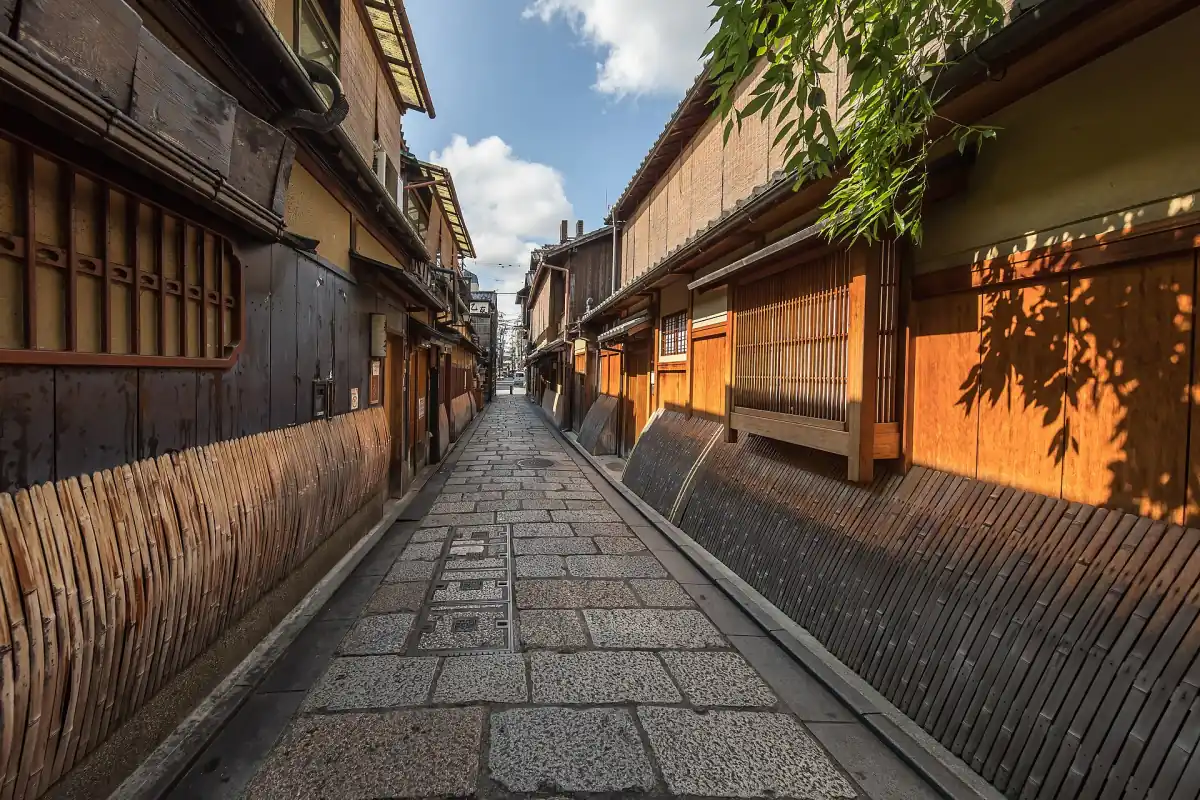
The three-hour palace and castle walking tour starts outside Exit 1 of Nijojo-mae Station. Its listed inclusions are an English-speaking guide, entrance fees and the walking tour. The Gion and Higashiyama historical walk also lasts three hours and starts in front of the cookie shop on Kyoto Shijo named in the meeting instructions. Its included service is the walking tour; plan around that stated scope.
The two-hour Gion culture tour includes a local guide and meets on the side road beside the Shijo Ohashi fast-food restaurant specified in its instructions. These are distinct meeting arrangements. Travel to the booked starting point rather than heading directly to a landmark. Leave room in your daily itinerary for arrival and a separate meal.
Nijo Castle in the wider story
Nijo Castle adds a different institutional setting to Kyoto’s religious heritage. For an independent visit, Honmaru requires advance booking with a time selection and a separate palace ticket. Choose access according to the area you intend to visit.
Gion and living culture
Gion developed near Yasaka Shrine as an entertainment district associated with geiko and maiko. People work here. The city’s guidance dated 2 October 2026 asks visitors not to touch, follow or photograph them without permission, or enter private property.
Fushimi Inari and Arashiyama
Fushimi Inari provides a religious perspective, with an enshrinement dated to 711. Arashiyama Bamboo Grove belongs to another area of the city. Treat these as separate choices rather than adding them casually to an eastern neighbourhood walk.
Questions before choosing
When was Kyoto established?
Kyoto was laid out in 794 and remained the imperial capital until the middle of the nineteenth century.
Is all of Kyoto a World Heritage Site?
The inscription covers 17 components in Kyoto, Uji and Otsu. It is a serial property with defined monuments.
Which historical tour includes entrance fees?
The three-hour palace and castle walk lists entrance fees and an English-speaking guide among its inclusions. The other historical formats have their own service descriptions.