
Choosing a Kyoto walking tour
A Kyoto walking tour works well when you want to look closely at streets and buildings rather than organise a sequence of distant photo stops. The important choice is the route. A Gion and Higashiyama walk has a different shape from an early outing that links Fushimi Inari and Arashiyama. Match the geographical focus to the part of Kyoto you most want to understand.
Tour length includes more than steady walking. Listening, stops and visits also take time, so choose by the actual programme rather than converting hours into kilometres. The selection here ranges from a three-hour historical walk to longer early outings. For a broader comparison of transport and activities, see Kyoto tours.
Walking tours in Kyoto
Choose a walk with Tenryū-ji admission or another guided walk with admission included.
Hand-picked tours, booked through Viator. Prices are indicative starting prices in US dollars (as of October 2026). Tap a tour for live availability and the current price in your currency.
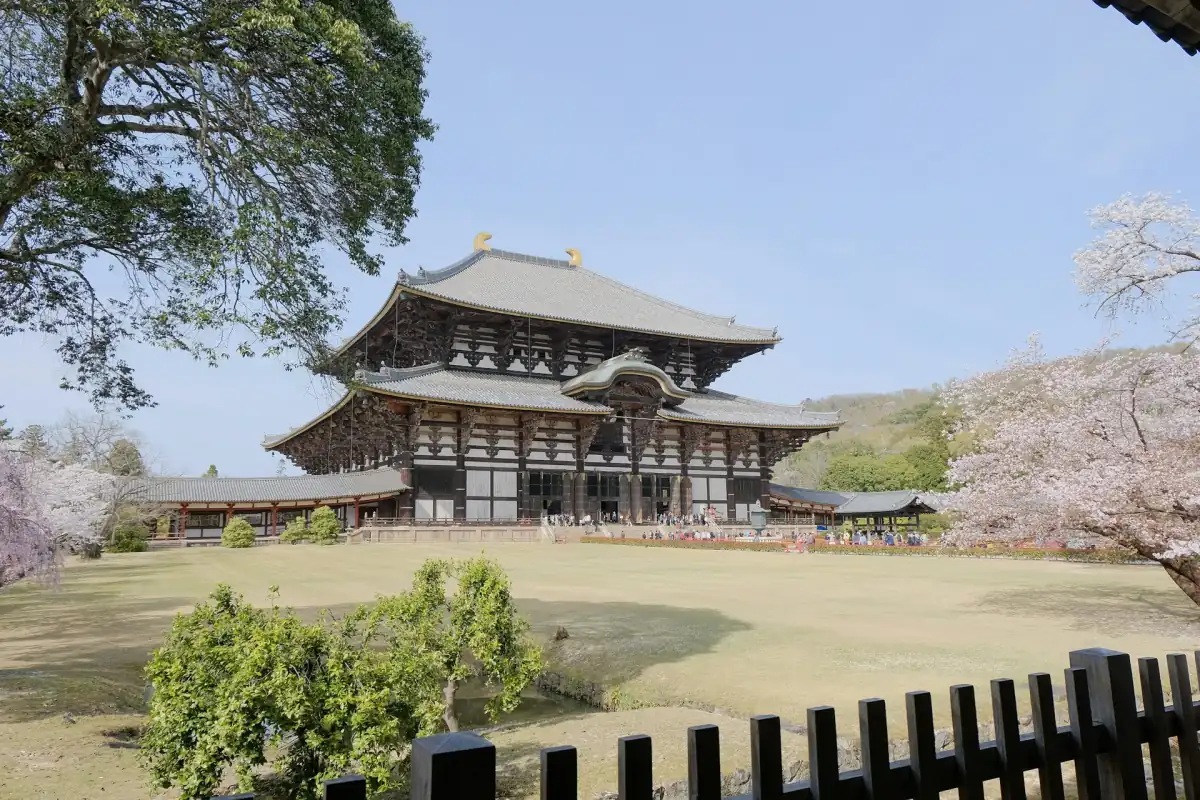
Walk Kyoto landmarks with a guide
- English-Speaking Guide
- Admission Fee-Tenryu-ji Temple
- Fushimi-Inari Shrine
Check the meeting details in advance.
Check availability →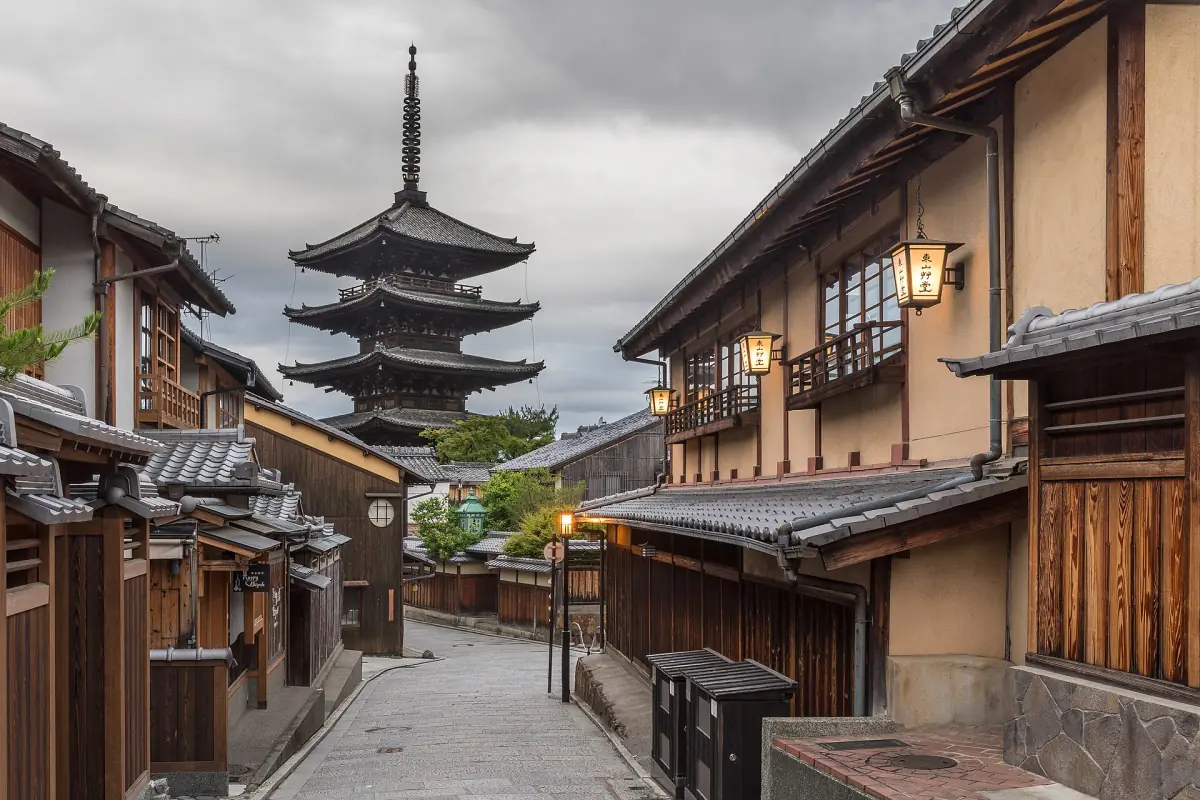
Guided walk in Kyoto
- Guide Service
- Admission fee
Explore Kyoto on foot with a guide.
Check availability →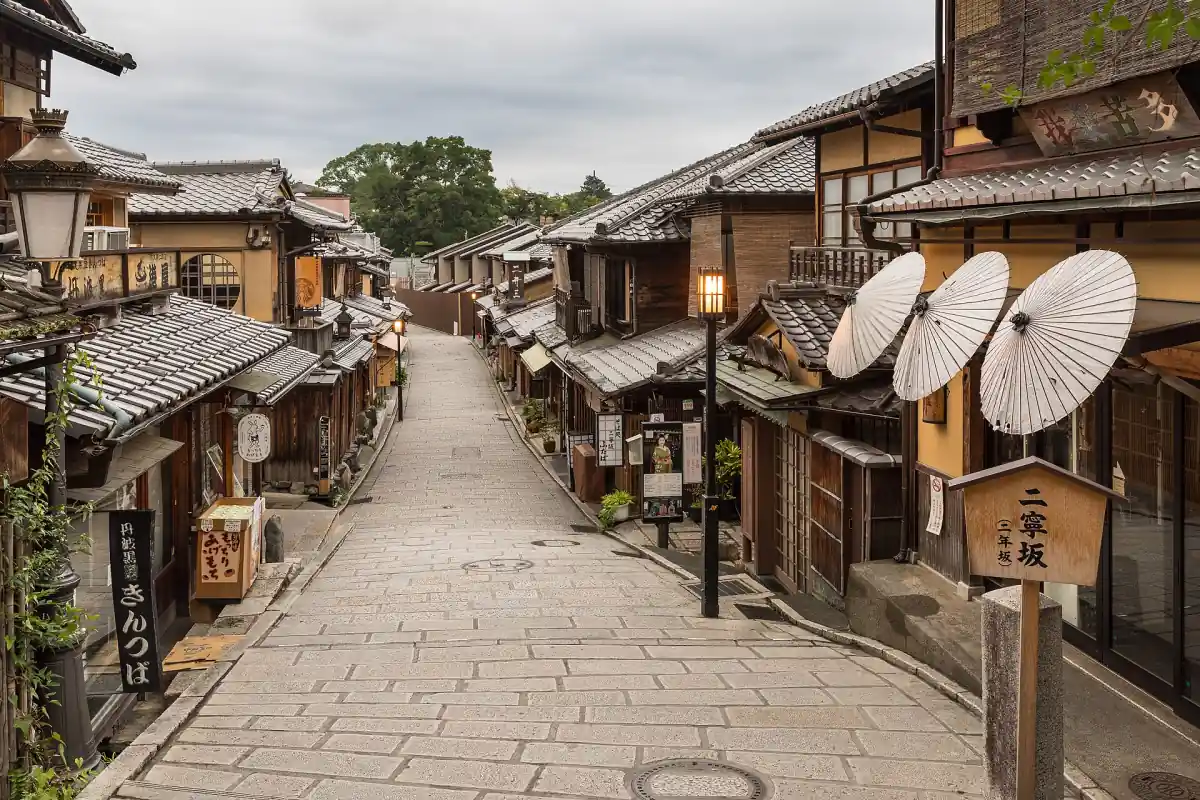
Kyoto history walking tour
- Walking tour
Explore Kyoto on foot.
Check availability →Kyoto routes explored on foot
Compare a historical eastern walk, a half-day highlights outing and an early route with Tenryu-ji admission.
Three walking formats and their starting points
The half-day highlights tour lasts three and a half hours and meets at the Izumo-no-Okuni statue beside the river and Shijo Bridge. Guide service and an admission fee are included. This is a useful format when you want a defined city outing and a clear starting landmark, with the rest of your day left for another activity.
The three-hour Gion and Higashiyama historical walk starts in front of the cookie shop on Kyoto Shijo identified in the meeting instructions. Its service list includes the walking tour. Choose this format for the historical eastern focus, then use the history guide to put Kyoto’s imperial past and religious architecture into context.
The early English-language tour takes four to five hours and begins at Kyoto Station, in front of the convenience store inside the Central Ticket Gate specified by the organiser. Its inclusions name Fushimi Inari Shrine, the Bamboo Forest, Togetsu-kyo Bridge and Tenryu-ji, including that temple’s admission fee, with an English-speaking guide.
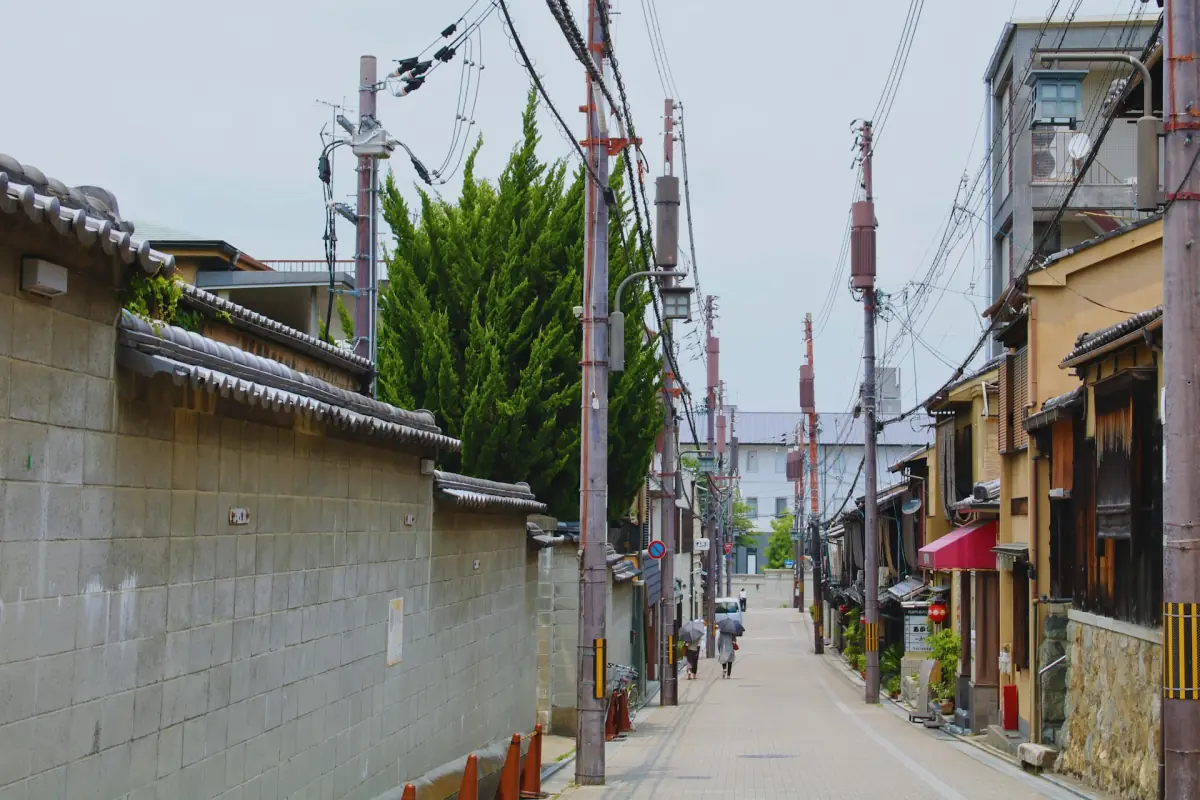
Gion as part of an eastern route
Gion is a working district associated with geiko and maiko, alongside teahouses and places to eat. It developed near Yasaka Shrine. A neighbourhood walk is a chance to understand that setting while respecting residents and people at work.
The city’s guidance of 2 October 2026 asks visitors not to touch, pursue or photograph geiko and maiko without permission, and not to enter private property. Keep the street usable for others and follow local signs. On Hanamikoji, the city also asks visitors to avoid walking in the centre of the roadway.
Fushimi Inari and Arashiyama on the early route
Fushimi Inari and Arashiyama Bamboo Grove give the early tour its distinct geographical scope. The named temple admission is Tenryu-ji. Keep the tour’s included entry separate from any extra places you add independently afterwards.
An early start is a timetable choice. Allow time to reach Kyoto Station and locate the precise meeting point, rather than treating the station name alone as sufficient directions. If you prefer to remain in one eastern area, the historical walk offers a more concentrated alternative. Our local transport guide helps with travel to the start.
Build the rest of the day around the walk
Choose one main walking programme before arranging another fixed appointment. A tea session requires arrival at its own venue, while a food tour has its own meeting point and meal structure. Leaving a gap between bookings makes the day easier to organise without rushing from one group to another. See tea ceremonies for a contrasting seated cultural activity.
For independent walking, the Philosopher’s Path offers a canal setting associated with Nishida Kitaro. JNTO’s approximate thirty-minute brisk passage is a through-walk reference, so allow additional time for your own stops. The Philosopher’s Path guide considers that area separately from the tours compared here.
Questions before choosing
How far do these tours walk?
Choose by the described route and duration. Time spent with a group includes visits and explanation as well as movement.
Does the early tour include temple admission?
Its inclusions specify Tenryu-ji admission, together with an English-speaking guide and the named route sights.
Where does the highlights walk meet?
At the Izumo-no-Okuni statue beside the river and Shijo Bridge. Use the full meeting instructions for your booked tour.