
Choose things to do in Kyoto by area
The most useful way to choose things to do in Kyoto is to give each part of the city enough time. Temple gardens, the canal walk, the imperial palace and Nishiki Market offer different kinds of visits. Build a day around related interests rather than treating every famous name as a stop on one continuous walk.
The city’s history starts with the capital founded in 794. Its UNESCO listing recognises a series of specific monuments across Kyoto, Uji and Otsu, with religious buildings and gardens central to that story. It does not turn every street or shrine into a World Heritage component. For routes with interpretation, compare guided tours and historical visits.
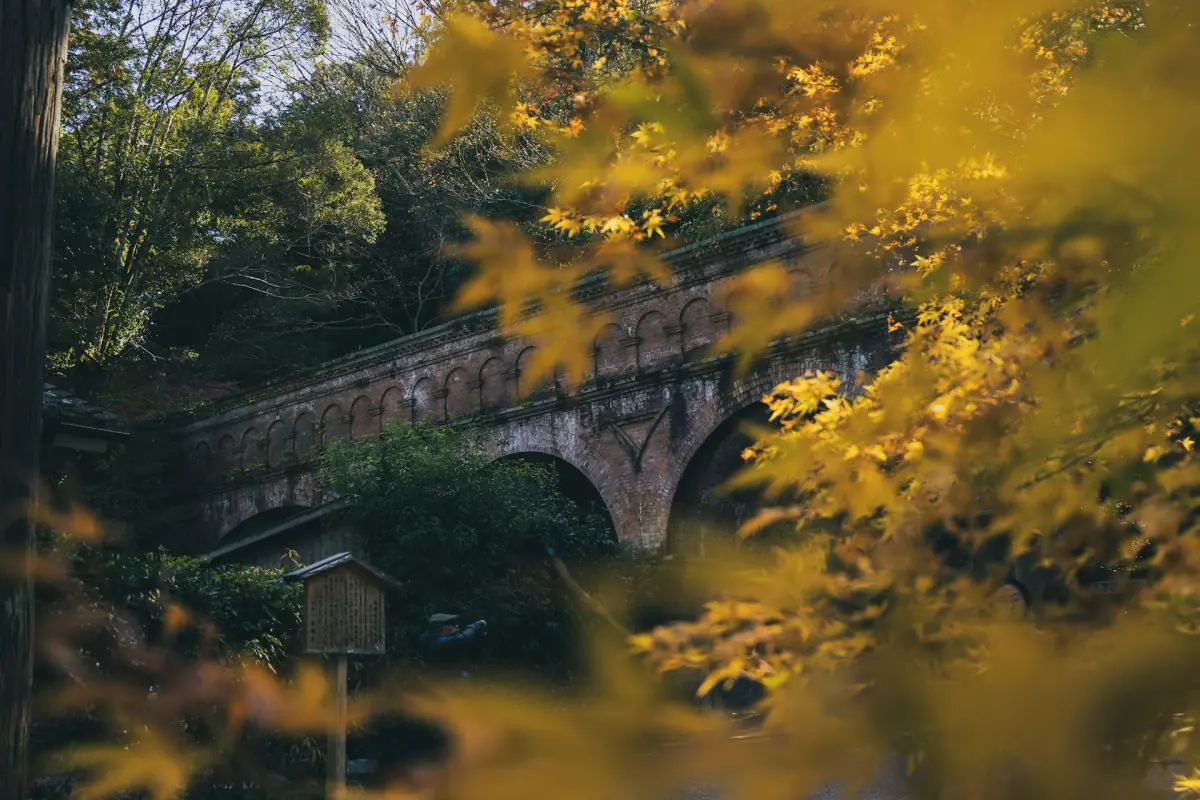
Kyoto sightseeing
Choose the walk to explore on foot or the coach tour for admission to several temples.
Hand-picked tours, booked through GetYourGuide and Viator. Prices are indicative starting prices in US dollars (as of October 2026). Tap a tour for live availability and the current price in your currency.
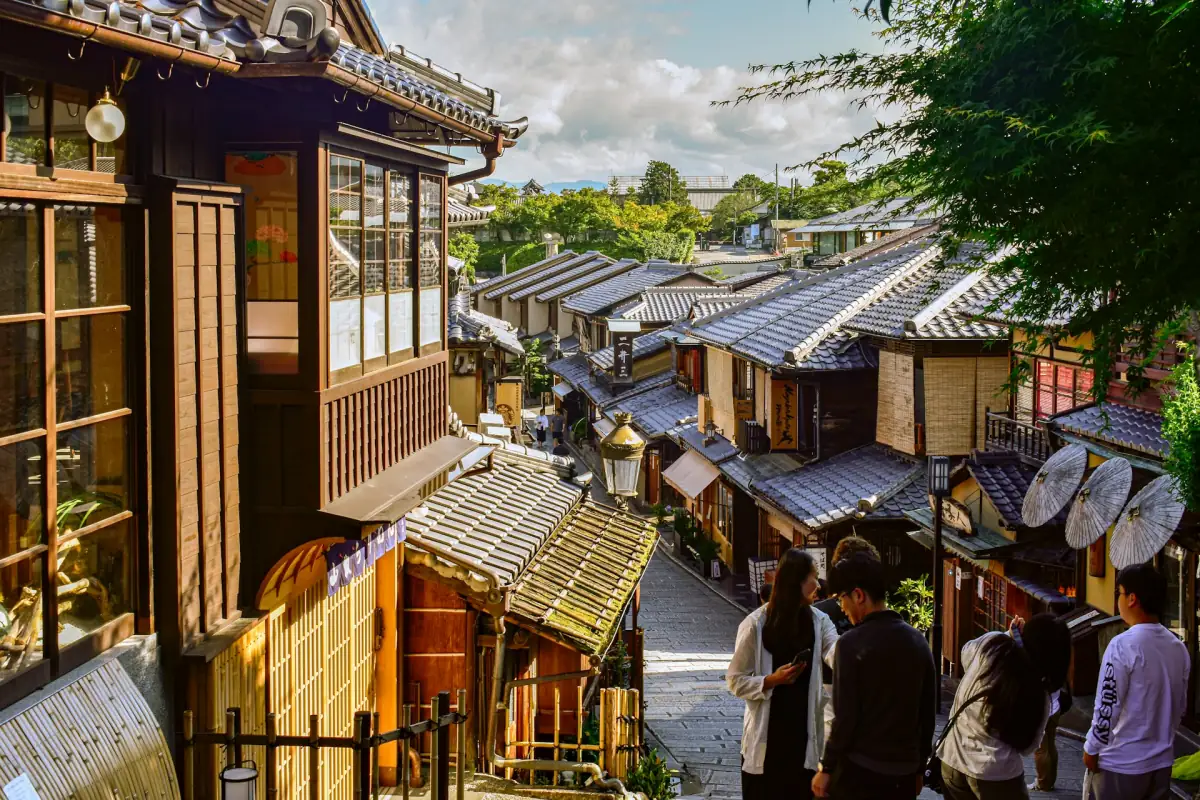
Kyoto temples by coach
- Admission for Tenryuji Temple
- Admission for Sanjusangendo Temple
- A Professional English Speaking Tour Guide
Buffet lunch is included only if selected.
Check availability →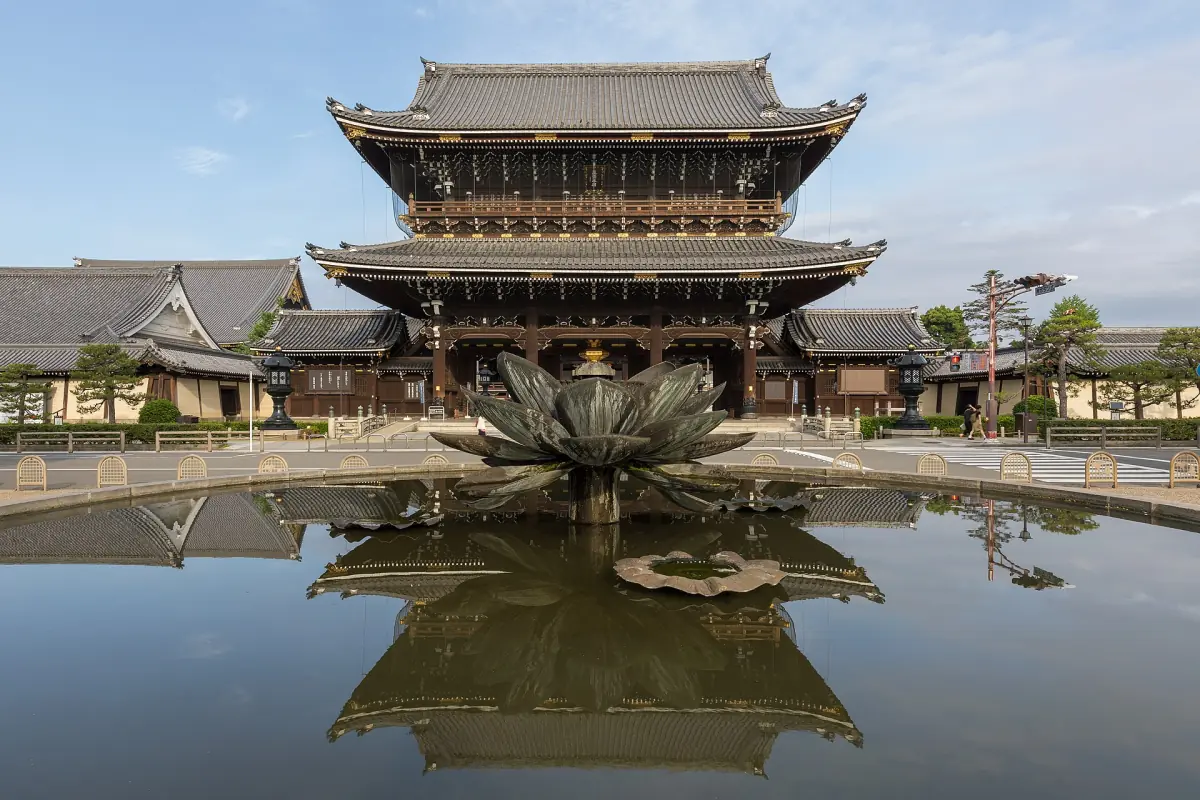
Guided Kyoto sightseeing
- English-speaking guide
- Sightseeing tour
Kinkaku-ji admission costs extra.
Check availability →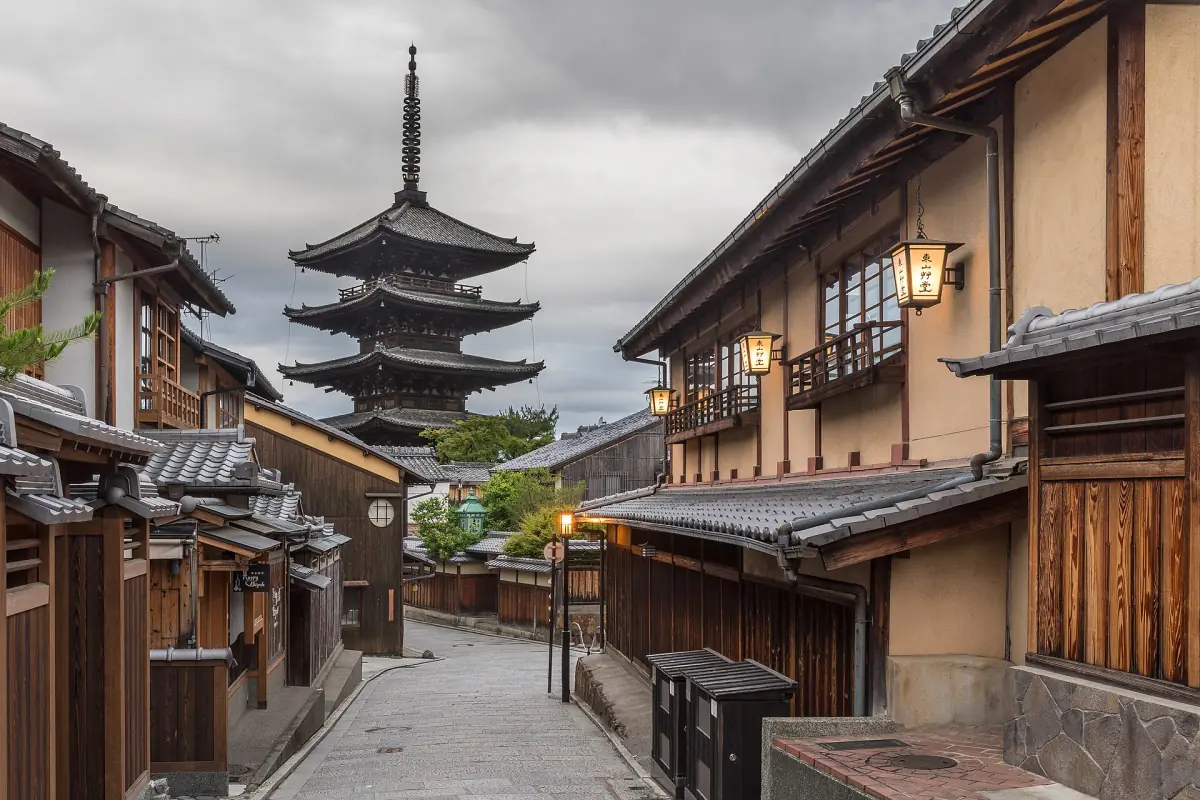
Guided walk in Kyoto
- Guide Service
- Admission fee
Explore Kyoto on foot with a guide.
Check availability →Guided ways to connect Kyoto sights
Compare a six-hour early city route, a full-day bus circuit and a 210-minute guided introduction; their transport and admissions differ.
Ginkaku-ji, Nanzen-ji and the canal walk
Ginkaku-ji and the Philosopher’s Path belong together when considering the eastern side of the city. The canal walk is associated with philosopher Nishida Kitaro. JNTO gives roughly thirty minutes for walking through briskly; stopping to look, rest or visit a temple adds a different kind of time. Treat the path as part of a day outdoors, with room to pause.
Ginkaku-ji’s revised admission from 1 April 2026 is 1,000 JPY for adults and upper-secondary students, and 500 JPY for elementary and junior-high pupils; preschool children enter free. Its March-to-November visiting hours are 08:30 to 17:00, with shorter winter hours. The temple and garden comparison explains the individual visits.
Nanzen-ji offers separate visiting choices. The Hojo garden and Sanmon each have their own admission, and Nanzen-in is another tariff position. Choose the part that interests you rather than assuming a single payment covers every area. The Philosopher’s Path guide helps connect these eastern interests without inventing a fixed total walking distance.
The imperial palace and Nishiki Market
Kyoto Imperial Palace offers a normal visit without registration, with security checks for visitors and baggage. Monday is the regular closing day; when Monday is a national day off, the closure moves to Tuesday. The palace also closes from 28 December to 4 January. Choose an opening day for the palace and give the visit its own place in the schedule.
Nishiki gives the day a food focus. Individual businesses set their own hours and closing days, with many closed on Wednesdays and during the first days of January. Purchases should be eaten in or in front of the shop where they were bought. This makes a pause at a shop part of the visit, rather than eating while moving through the market. The market guide covers those practical details, while food tours compare guided tastings.
Choose a guided introduction by its inclusions
The six-hour early route starts at Kyoto Station’s Central Ticket Gate beside the convenience store and includes an English-speaking sightseeing guide. Kinkaku-ji admission, personal transport costs and lunch are extra. Its early start fixes the appointment time without promising empty places.
The eight- to nine-hour bus circuit returns to Kyoto Station and includes an air-conditioned vehicle, English-speaking guide, onboard WiFi, multilingual audio and admission to Tenryu-ji, Sanjusangendo, Kiyomizu-dera and Kinkaku-ji. Buffet lunch is an option. For a shorter introduction, the 210-minute guided highlights outing meets at the Izumo-no-Okuni statue by Shijo Bridge and includes guide service and an admission fee. These are guided visits with specified services, rather than a citywide entry pass. Use the itinerary guide to decide how much of the day to reserve.
Fushimi Inari
The head shrine of the Inari shrines belongs to the southern part of a Kyoto plan. Keep its religious role in mind when choosing a guided route. Fushimi Inari
Kiyomizu-dera
The Kiyomizu area combines a temple visit with pottery traditions. Give this eastern part of the city its own place in the day. Kiyomizu-dera
Arashiyama
Saga and Arashiyama offer a bamboo walk distinct from the neighbouring temple gardens. Allow a western district outing rather than squeezing it between eastern stops. Arashiyama
Kinkaku-ji
The Golden Pavilion is a separate choice from the Silver Pavilion. Compare the wider route before choosing a tour simply for the name. Kinkaku-ji
Nijo Castle
The castle adds a secular historic site to a city visit. Honmaru Palace has a separate timed reservation from the ordinary castle and Ninomaru visit. Nijo Castle
Gion
Gion grew around Yasaka Shrine and remains a working cultural district. Respect private property and the people working here. Gion
Kyoto Prefecture
The prefecture extends beyond the city into tea, woodland and coastal regions. Use a regional guide when the plan moves beyond urban Kyoto. Kyoto Prefecture
Choosing Kyoto sights
Should I plan the whole city as one walk?
Group visits by area and interest. A canal walk, a palace visit and an outing to the western district each deserve space rather than a rushed sequence.
Is Ginkaku-ji the Golden Pavilion?
Ginkaku-ji is the Silver Pavilion. Kinkaku-ji is the separate Golden Pavilion; choose the route that suits your other visits.
Can I eat while walking through Nishiki?
Eat your purchase at or in front of the shop where it was bought. Shops have individual opening hours and payment arrangements.